Finding balance in today’s fast world can seem impossible. Stress and long work hours combine with poor sleep and too much screen time to harm our health. When mental exhaustion sets in it shows up as physical problems including low energy and anxiety. Your posture might even suffer. But there are real ways to restore balance in your life. The connection between mind and body runs deeper than most people realize. When your mental state declines your physical health follows. You might notice tension in your shoulders or feel constantly tired. These signs tell you something needs to change. Start by looking at your daily routine. Small adjustments can make a big difference. Consider setting boundaries around work hours instead of letting tasks bleed into personal time. Your brain needs rest just like your body does. Screen time deserves special attention because it affects both mental clarity and physical comfort. Try putting your phone away an hour before bed. This simple habit can improve your sleep quality & reduce eye strain. Movement matters more than you might think. Regular exercise releases tension & boosts mood. You don’t need an intense workout program. Even a short walk during lunch breaks helps reset your system. Sleep forms the foundation of good health. Without enough rest your body cannot repair itself and your mind stays foggy. Aim for consistent sleep and wake times to help regulate your natural rhythms. These practical steps work together to rebuild the balance that modern life disrupts. When you take care of your mental state your physical health improves. When you address physical needs your mind becomes clearer. The two support each other in ways that create lasting change.
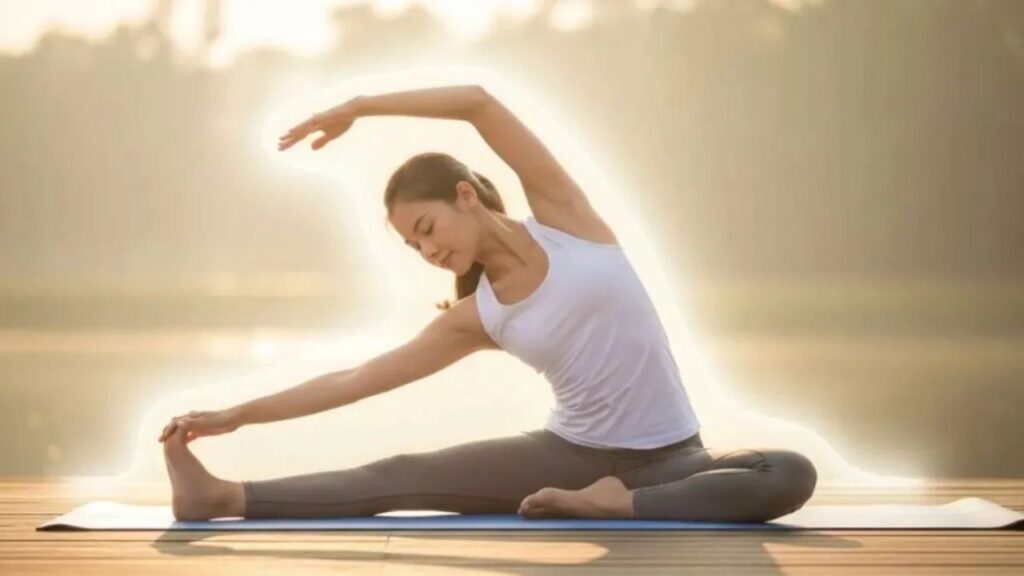
Yoga is a powerful practice that connects mind, body, and breath. Certain yoga poses are especially effective in building both physical stability and mental calmness.
Why Balance Matters For Mind And Body?
Balance is not just about standing on one leg. True balance means:

- A stable body with strong muscles and flexible joints
- A calm mind with better focus and emotional control
- Proper coordination between breathing, movement, and awareness
# Yoga Balance Poses: Building Strength and Mental Clarity
 Simple Morning Hydration Habits That Support Clearer Skin and Higher Energy Throughout the Day
Yoga balance poses work the deep stabilizing muscles in your body while teaching your mind to focus on the present moment. When you practice these poses regularly you develop both physical strength and mental calmness. This dual benefit helps lower your stress levels and makes you feel better overall. Balance poses require you to engage muscles that you don’t normally use in everyday activities. These deep stabilizers support your spine and joints. As you hold a balance pose your body makes constant small adjustments to keep you upright. This process strengthens your core and improves your posture over time. The mental aspect of balance work is equally important. When you stand on one leg or hold a challenging position your mind cannot wander to your worries or to-do lists. You must concentrate fully on the present moment to maintain your balance. This forced focus acts as a form of moving meditation. Regular practice of balance poses creates noticeable changes in how you handle daily stress. Your body becomes more stable and your mind learns to stay calm under pressure. The skills you develop on the yoga mat transfer to real-life situations where you need both physical control and mental composure. Starting with simple balance poses and gradually progressing to more difficult ones builds confidence along with strength. Even a few minutes of balance work several times per week can produce meaningful improvements in your physical stability and mental clarity.
1. Mountain Pose (Tadasana)
Mountain Pose is the foundation of balance and alignment.
- Improves posture and body awareness
- Strengthens legs and core
- Calms the nervous system
# How to Practice
Start by finding a quiet space where you can focus without distractions. Set aside at least 15 to 30 minutes for your practice session. Begin with a simple warm-up to prepare your body & mind. This could include light stretching or deep breathing exercises to help you relax and center yourself. Break down the skill you want to develop into smaller parts. Focus on one specific element at a time rather than trying to master everything at once. This approach makes learning more manageable and less overwhelming. Practice with intention and awareness. Pay attention to what you are doing and how you are doing it. Notice your mistakes without judging yourself harshly. Each error is an opportunity to learn and improve. Repeat the same movements or exercises multiple times. Consistency builds muscle memory and helps your brain form stronger connections. Even short daily practice sessions are more effective than occasional long ones. Record yourself if possible. Watching or listening to your performance gives you a different perspective & helps identify areas that need work. Take regular breaks to avoid fatigue and maintain concentration. Your brain needs time to process and consolidate what you have learned. Set specific goals for each practice session. Having clear objectives keeps you motivated & gives you a sense of progress. Stay patient with yourself. Improvement takes time and everyone learns at their own pace. Celebrate small victories along the way. End each session by reviewing what you accomplished. Reflect on what went well and what you want to focus on next time.
- Stand tall with feet together
- Distribute weight evenly on both feet
- Relax shoulders and lengthen spine
- Focus on slow, steady breathing
- Hold for 30–60 seconds
This pose teaches the body how proper balance feels.
2. Tree Pose (Vrikshasana)
Tree Pose is one of the best yoga poses for physical and mental balance.
- Strengthens ankles, legs, and core
- Improves concentration and focus
- Enhances mind-body coordination
How to practice:
- Stand on one leg
- Place the other foot on inner calf or thigh
- Bring hands together at chest
- Fix gaze on one point
- Hold for 20–40 seconds on each side
Tree Pose trains the mind to stay steady even when the body wobbles.
3. Warrior III (Virabhadrasana III – Modified)
This pose challenges strength and focus at the same time.
- Strengthens legs, hips, and back
- Improves coordination and stability
- Builds mental determination
How to practice:
- Stand on one leg
- Extend other leg backward
- Lean torso forward with arms stretched
- Keep spine straight
- Hold for 15–30 seconds
This pose improves both physical control and mental discipline.
4. Seated Forward Bend (Paschimottanasana)
Seated Forward Bend balances the nervous system.
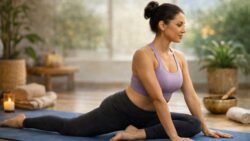
- Calms the mind and reduces anxiety
- Stretches spine and hamstrings
- Improves breathing awareness
How to practice:
- Sit with legs extended
- Inhale and lengthen spine
- Exhale and fold forward gently
- Hold for 30–60 seconds
This pose helps restore emotional balance and reduces mental fatigue.
5. Bridge Pose (Setu Bandhasana)
# Bridge Pose Balances Strength & Relaxation
Bridge Pose offers a unique combination of physical challenge and mental calm. This yoga position works multiple muscle groups while promoting a sense of inner peace. The pose primarily targets the back muscles and glutes. When you lift your hips off the ground you engage your core and strengthen your spine. Your legs work hard to support the elevated position. The chest opens up as your shoulders press into the mat below. Bridge Pose provides several physical benefits for regular practitioners. It helps improve posture by counteracting the effects of sitting for long periods. The backbend stretches the front of your body including the hip flexors and abdominal muscles. Blood flow increases to the upper body and brain when you hold the position. The relaxation aspect comes from the gentle nature of the stretch. Unlike more intense backbends this pose feels accessible to most people. Your head remains supported on the ground which creates a grounding sensation. The position encourages steady breathing which activates the parasympathetic nervous system. Many people find Bridge Pose helpful for reducing stress and anxiety. The combination of physical effort and controlled breathing creates a meditative state. Your mind focuses on maintaining the position rather than wandering to daily concerns. You can modify Bridge Pose to match your fitness level. Beginners might hold the position for just a few breaths. More advanced practitioners can lift one leg or clasp their hands beneath their back. Some people place a block under their sacrum for a supported variation that emphasizes relaxation over strength. The pose works well as part of a longer yoga sequence or as a standalone stretch. It serves as a good preparation for deeper backbends. It also functions as an effective cool-down exercise after more vigorous activity. Bridge Pose demonstrates how yoga integrates opposing qualities. The strength required to lift your body meets the surrender needed to breathe deeply & release tension. This balance makes it a valuable addition to any movement practice.
- Strengthens lower body and core
- Opens chest and improves breathing
- Reduces stress and mild depression
How to practice:
- Lie on back with knees bent
- Lift hips upward
- Press feet and shoulders into mat
- Hold for 20–40 seconds
This pose helps maintain steady energy throughout the body.
6. Child’s Pose (Balasana)
Child’s Pose is deeply calming and grounding.
- Relaxes mind and nervous system
- Releases tension from spine and hips
- Promotes emotional stability
How to practice:
- Kneel and sit back on heels
- Fold forward with arms extended
- Rest forehead on the mat
- Breathe slowly for 1–2 minutes
This pose helps create a sense of calm in the mind while allowing the body to release tension and feel more at ease.
How These Poses Improve Mental Balance?
Yoga balance poses require full attention. When the mind wanders, balance is lost. This trains:
- Better focus and concentration
- Reduced anxiety and overthinking
- Improved emotional control
With regular practice, the mind becomes calmer and more resilient.
How Often Should You Practice?
Daily practice works best but you should aim for at least four to five days each week to see good results. Each session should last between fifteen and twenty-five minutes. Sticking to a regular schedule matters more than how long each practice session runs. The key is making this part of your routine rather than worrying about perfect timing. If you practice regularly throughout the week you will notice improvements even if some sessions are shorter than others. Building the habit of showing up consistently will give you better outcomes than occasional longer sessions that happen irregularly.
True balance means feeling steady, calm, and centered—both physically and mentally. Practicing these 6 yoga poses to keep your mind and body in balance can improve strength, coordination, focus, and inner peace.
Yoga teaches you how to stay calm even during challenges, on and off the mat. With regular practice, balance becomes a natural part of your daily life, helping you move through stress with greater ease and confidence.