Digestive discomfort is something most people deal with quietly. Bloating & heaviness after meals along with gas and slow digestion can make a normal day feel uncomfortable. Diet plays a big role but movement matters just as much. Yoga gently massages your internal organs and improves circulation in your gut while calming the nervous system that controls digestion. Many people experience digestive problems without realizing that simple physical activity can help. The digestive system works better when the body moves regularly. Yoga poses create gentle pressure on the abdomen and stimulate the organs involved in digestion. This natural massage effect helps food move through your system more efficiently. The connection between stress and digestion is stronger than most people think. When you feel anxious or tense your digestive system slows down. Yoga addresses this problem by activating the parasympathetic nervous system which tells your body to relax and digest properly. Regular practice can reduce the tension that interferes with healthy digestion. Specific yoga poses target different aspects of digestive health. Twisting poses wring out the digestive organs like squeezing a sponge. Forward bends create compression that stimulates the intestines. Gentle inversions use gravity to shift things around and promote movement through the digestive tract. These positions work together to support your entire digestive process. Breathing exercises that accompany yoga practice also benefit digestion. Deep breathing massages the internal organs from the inside & increases oxygen flow to the digestive system. This combination of movement and breath creates an ideal environment for your body to process food effectively. The result is less discomfort and better overall digestive function.
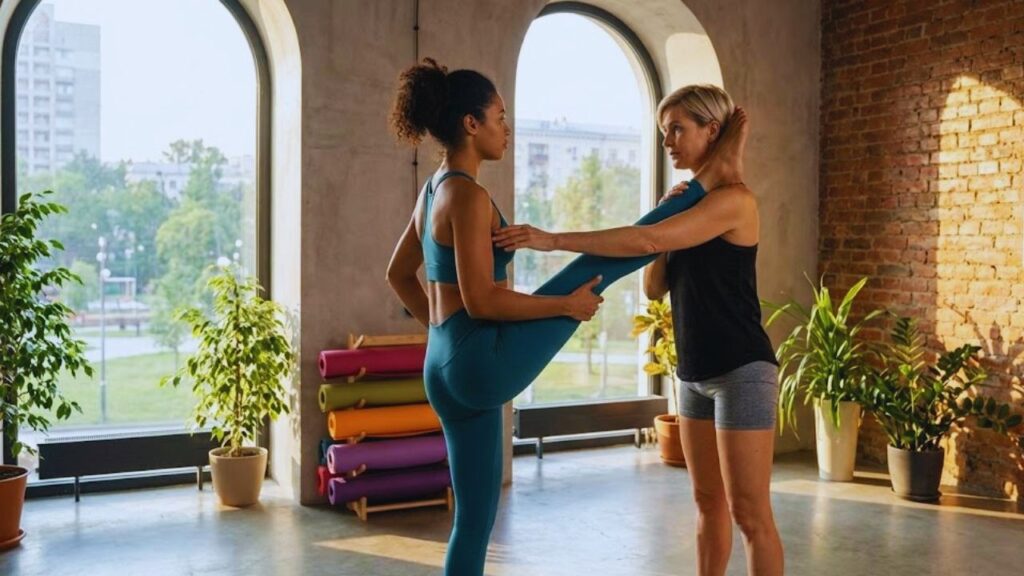
If practiced regularly, the right yoga poses can help your body process food more smoothly and reduce trapped gas. Below are seven beginner friendly poses that focus on digestion support and bloating relief.
1. Wind Relieving Pose (Pawanmuktasana)
This pose works really well for gas and bloating. When you pull your knees up toward your chest you create light pressure on your stomach area. This pressure helps push trapped air through your digestive system so it can leave your body.

Lie down on your back and bend both of your knees. Pull them toward your chest and hold them there with your arms. Take slow deep breaths and stay in this position for 30 to 60 seconds. If you want extra relief you can rock your body gently from side to side while holding your knees. The best time to do this pose is in the morning or wait a few hours after you have eaten a meal.
 Simple Morning Hydration Habits That Support Clearer Skin and Higher Energy Throughout the Day
2. Seated Forward Bend (Paschimottanasana)
This pose stimulates the digestive organs and improves blood flow to the stomach and intestines. It also helps calm stress, which is important because digestion slows when the body feels tense.
# Seated Forward Fold Instructions
Start by sitting down with both legs stretched out straight in front of you. Take a breath in and make your spine longer by sitting up tall. Then bend forward at your hips while keeping your back as straight as possible. Try to touch your shins or ankles or feet with your hands but don’t push yourself too hard. Hold this position while you take 5 to 8 slow and deep breaths. Make sure you don’t curve your back too much during the stretch.
3. Supine Spinal Twist (Supta Matsyendrasana)
Twists help your digestion work better because they squeeze your digestive organs and help your gut move things along more easily. This position works really well when you feel stuffed or uncomfortable after a meal.
Lie flat on your back and pull one knee up toward your chest. Slowly lower that knee across your body to the opposite side while making sure both shoulders stay flat against the floor. Hold this position for 30 to 45 seconds before switching to the other leg. Remember to breathe slowly and stay relaxed throughout the stretch.
4. Cat Cow Pose (Marjaryasana Bitilasana)
Cat Cow improves digestion by massaging the abdominal organs and increasing circulation along the digestive tract. It also helps reduce tension in the spine and belly area.
Start on all fours. Inhale as you arch your back and lift your chest and tailbone. Exhale as you round your spine and draw the belly in. Move slowly with your breath for 1 to 2 minutes.
5. Child’s Pose (Balasana)
This gentle resting pose helps calm the nervous system, which directly supports healthy digestion. Stress and rushed eating habits often cause bloating, and Child’s Pose encourages deep relaxation.
From kneeling, sit back on your heels and fold forward, letting your belly rest against your thighs. Rest your forehead on the mat and breathe deeply for 1 to 3 minutes. You can place a pillow under your chest for comfort.

6. Cobra Pose (Bhujangasana)
Cobra Pose helps stimulate the abdominal organs while improving blood flow to the digestive system. It also supports better posture, which can prevent digestive compression.
Place yourself face down on the floor and position your hands beneath your shoulders. Take a breath in and slowly raise your upper body by engaging your back muscles rather than pushing with your arms. Let your stomach stay loose and comfortable. Maintain this position for 20 to 30 seconds before lowering back down. Complete this movement two to three times total.
7. Legs Up the Wall (Viparita Karani)
This pose appears easy but it provides deep relaxation for your body. It helps your digestive system work better by turning on the part of your nervous system that handles rest and recovery. This makes it particularly useful when you feel bloated because of stress or lack of sleep.
Sit close to a wall and swing your legs up while lying on your back. Let your arms relax by your sides. Stay here for 3 to 5 minutes while breathing slowly.
How Yoga Supports Better Digestion
Yoga helps your digestion through several different mechanisms. When you perform poses that gently compress and then release your abdomen the movement stimulates your intestines to work more effectively. The deep breathing techniques that are part of yoga practice send more oxygen to the tissues in your digestive system. When you relax during yoga your nervous system shifts out of stress mode and this allows your body to put more energy into digesting food properly. All of these benefits work together to decrease bloating and help your digestive system function more smoothly.
Consistency matters more than intensity. Even ten to fifteen minutes a day can make a noticeable difference.
Tips for Practicing Yoga for Digestion
- Practice on an empty or light stomach.
- Avoid intense poses immediately after heavy meals.
- Breathe through your nose and move slowly.
- If a pose causes discomfort, ease out gently.
- Listening to your body helps digestion more than forcing flexibility.
FAQs
Can yoga really help reduce bloating?
Yes yoga can help with bloating. It works by improving how your intestines move and helping trapped gas escape from your body. Yoga also calms your nervous system which plays a role in digestion. Many people notice they feel better even after doing yoga for just a short time. The physical poses in yoga gently massage your internal organs and encourage your digestive system to work more efficiently. When you twist or bend your body in certain ways you create pressure that helps move gas through your intestines. This natural movement can reduce the uncomfortable feeling of being bloated. Stress often makes bloating worse because it affects how your body digests food. Yoga addresses this problem by activating your relaxation response. When you breathe deeply & move slowly through poses your body shifts away from stress mode & into a calmer state. This allows your digestive system to function better. Some yoga poses are particularly effective for bloating. Positions that involve twisting your torso or bringing your knees toward your chest tend to provide the most relief. These movements directly target the areas where gas gets stuck. Even simple poses done on the floor can make a noticeable difference in how you feel. You don’t need to be flexible or experienced to use yoga for bloating relief. Basic poses & gentle movements are often the most helpful. Spending just ten to fifteen minutes doing simple stretches and breathing exercises can ease discomfort. The key is to move in ways that feel comfortable while paying attention to your breath.
When is the best time to do yoga for digestion?
You should practice yoga in the morning before you eat breakfast. This is the best time for your body. If you want to do gentle poses later in the day you need to wait a few hours after eating a meal. This waiting period helps your body digest food properly. When you practice on an empty stomach or after digestion is complete you will feel more comfortable. The gentle stretches and movements work better when your stomach is not full. Morning practice also helps you start your day with energy & focus. If morning does not work for your schedule the afternoon or evening can also be good times. Just remember to give yourself enough time between eating & practicing. This simple rule helps prevent any stomach discomfort during your yoga session.
How often should I practice these poses?
You can practice every day or at least four to five times each week. Regular practice brings better digestive results than doing it only once in a while.
Is yoga safe for people with digestive issues like IBS?
Most gentle poses are safe for practice. However you should begin at a slow pace & stay away from deep twisting movements when experiencing flare ups. Anyone with a medical condition needs to speak with a healthcare professional before beginning any new exercise routine.

Can beginners do these poses?
Yes all the poses listed work well for beginners. You can use props such as pillows or blocks when you need extra support. Focus on staying comfortable instead of trying to stretch too deeply.