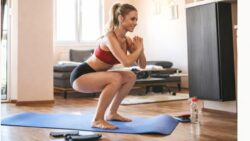
If complicated workouts make you lose motivation before you even begin, you are not alone. Many people want to stay active but dislike routines filled with equipment quick transitions or difficult steps to remember. Yoga offers a perfect solution for anyone who prefers simple movement, calm pacing and a practice that feels manageable even on the busiest or laziest days. Yoga does not require fancy gear or a gym membership. You can practice at home with just a mat or even a towel. The movements are gentle and focus on stretching, breathing and balance rather than speed or intensity. This makes yoga accessible for beginners and people of all fitness levels. Unlike high-energy workouts that demand constant focus and quick changes yoga allows you to move at your own pace. You can hold poses as long as you need & modify them to match your comfort level. There is no pressure to keep up with others or push yourself beyond your limits. The simplicity of yoga also makes it easier to build a consistent habit. You do not need to set aside hours or plan elaborate sessions. Even ten or fifteen minutes of basic stretches and breathing exercises can help you feel more relaxed and energized. This flexibility means you can fit yoga into your schedule without feeling overwhelmed. Yoga also benefits your mental health alongside your physical fitness. The focus on breathing & mindful movement helps reduce stress and clear your mind. Many people find that regular yoga practice improves their sleep quality and overall mood. Starting a yoga practice is straightforward. You can find countless free videos online that guide you through basic poses and sequences. Many of these tutorials are designed specifically for beginners & require no prior experience. You simply follow along at your own speed and gradually build confidence. The beauty of yoga lies in its adaptability. Whether you have five minutes or fifty, whether you feel energetic or tired, you can adjust your practice to suit your current state. This makes it one of the most sustainable forms of exercise for long-term wellness.
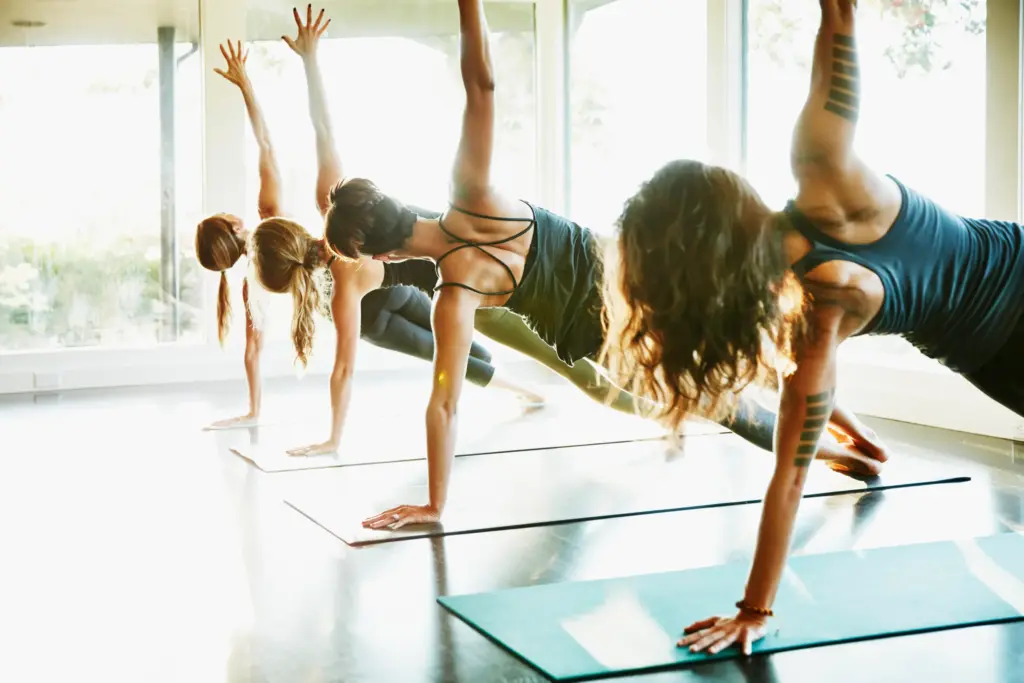
Yoga does not require you to be flexible or intense or even spiritual if those things do not interest you. The foundation of yoga is simply moving with awareness while focusing on your breath. You can stick to basic movements and practice the same poses every day and still experience positive results as time goes on.
Why Simple Yoga Works Better Than Complex Workouts
Complicated workouts often fail because they require too much mental effort. Keeping track of sets and timing intervals or learning new exercises every week can become tiring. Yoga removes all of these complications. The practice uses simple movements that stay consistent from session to session. You do not need to memorize complex routines or count repetitions constantly. Most poses follow natural body positions that feel intuitive once you try them a few times. This simplicity means you can focus on how your body feels rather than what comes next in the sequence. Your mind stays present with each stretch and breath instead of jumping ahead to plan the next move. The mental load drops significantly compared to traditional gym workouts. Many people find this straightforward approach easier to maintain over time. When exercise feels less like a puzzle to solve it becomes something you actually want to do regularly. The barrier to starting each session gets lower because you already know what to expect.
Simple yoga routines rely on slow and deliberate movements. You do not need a gym or special equipment or an app shouting directions at you. This simplicity lowers the barrier to entry and makes it easier to maintain a regular practice. Regular practice is what truly builds strength & flexibility & supports mental wellbeing. The accessible nature of yoga means you can start wherever you are. A small space in your living room works just fine. You can practice in the morning before work or in the evening to unwind. The lack of complicated requirements removes common excuses that prevent people from exercising. When you remove obstacles you create space for habit formation. Habits form through repetition rather than motivation. Yoga routines that require minimal setup encourage you to practice more often. Over time these repeated sessions accumulate into measurable improvements in how your body moves and how your mind handles stress. The physical benefits develop gradually but reliably. Your muscles gain endurance through holding poses. Your joints increase their range of motion through gentle stretching. Your balance improves as you learn to control your body in different positions. These changes happen because you keep showing up rather than because any single session was particularly intense. Mental health benefits follow a similar pattern. Each practice session gives your mind a break from constant stimulation. You learn to focus on breath and movement instead of worrying about other things. This mental training carries over into daily life and helps you respond to challenges with more calm and clarity.
 Simple Morning Hydration Habits That Support Clearer Skin and Higher Energy Throughout the Day
What Makes Yoga Ideal for Low-Effort Fitness
Yoga exercises your body through movements that feel natural. Most poses are similar to everyday actions such as standing up, sitting down, bending forward or reaching with your arms. Your body recognizes these movements easily which helps you adjust faster without feeling stressed or confused. The familiar nature of yoga positions means your muscles and joints already understand what to do. This makes learning easier compared to activities that require completely new motion patterns. Your body responds well because it builds on movements you have been doing since childhood. When you practice yoga regularly, you strengthen your body using these recognizable patterns. The poses may look different from your daily routine, but they use the same basic mechanics. This connection between yoga & natural movement helps explain why so many people find it accessible & effective for improving their physical condition.
Another reason yoga works so well is that you can adapt it to fit your needs. You can practice for just five minutes or extend your session to thirty minutes or longer. You can do yoga on the floor or on a mat or even while sitting on your bed. Nobody expects you to push yourself beyond your limits or rush through the movements.
Simple Yoga Poses Anyone Can Do
You do not need a long list of poses to benefit from yoga. A few basics repeated regularly are more than enough.
- Mountain Pose helps improve posture and awareness just by standing and breathing deeply.
- Child’s Pose gently stretches the back and hips while calming the nervous system.
- Cat and Cow Pose improves spinal mobility and reduces stiffness, especially if you sit a lot.
- Forward Fold gives a full-body stretch and releases tension in the neck and shoulders.
These poses require no coordination beyond breathing and moving slowly.
How to Build a No-Stress Yoga Routine
Start small. Choose three to five poses you like or feel comfortable with. Perform each pose for about five to eight slow breaths. Move at your own pace and repeat the sequence once or twice.
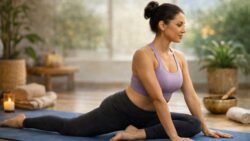
The goal is not perfection but comfort. If something feels awkward, skip it. Yoga works best when it feels approachable rather than forced.
Consistency matters more than duration. Practicing ten minutes a day is more effective than forcing one long session that makes you want to quit.
Benefits You Will Notice Without Pushing Yourself
Even gentle yoga can deliver noticeable results. Regular practice can improve flexibility, reduce joint stiffness, and help with everyday aches. Many people also experience better sleep and lower stress levels.
Yoga helps your mind work at a gentler speed. This makes it easier to quiet busy thoughts and feel less anxious when you combine it with slow deep breaths. You might find that you can concentrate better and feel less tired during the day.
Making Yoga Stick When You Hate Exercise
The key is removing pressure. Do yoga because it feels good, not because you should. Skip strict schedules and allow flexibility. Some days you may only stretch for five minutes, and that still counts.
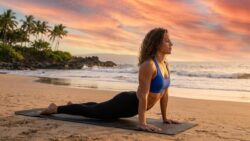
Play gentle music or work out without any sound. Put on clothes that feel good. Create conditions that remove obstacles and add comfort. Once physical activity shifts from being an obligation to something effortless it integrates into your daily life without resistance.