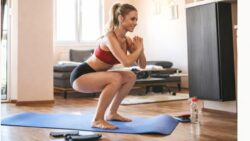
Life feels busy for almost everyone. Between work and family and screen time and endless responsibilities the idea of setting aside an hour for yoga can feel unrealistic. The good news is that yoga does not demand extra time. It fits into the moments you already have. When you practice it consistently in small ways it can support your posture and energy and focus & emotional balance without changing your schedule. You do not need a studio or special equipment or a full routine. Yoga works when you integrate it into what you already do each day. A few stretches in the morning or some breathing exercises during a break or gentle movements before bed can make a real difference. These small practices add up over time and create benefits that last. The key is to think of yoga as something flexible rather than rigid. It adapts to your life instead of requiring you to adapt to it. You can practice while waiting for coffee to brew or during a work break or while watching your kids play. The movements do not need to be complex or long to be effective. Starting small makes yoga sustainable. When you remove the pressure of perfecting poses or finding large blocks of time you make space for actual practice. Consistency matters more than duration. A few minutes each day builds strength and flexibility & calm better than occasional long sessions that feel like obligations. This approach also helps you notice how your body feels throughout the day. You become more aware of tension and stress and fatigue. That awareness lets you respond with simple movements or breathing techniques that help in the moment. Yoga becomes a tool you can use whenever you need it rather than something separate from daily life.
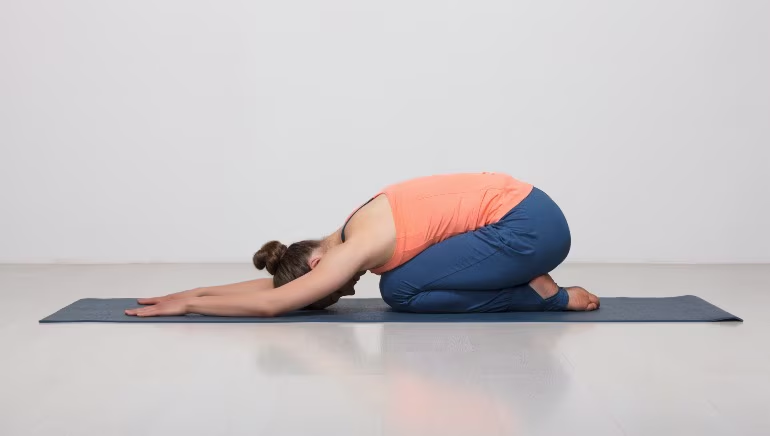
Yoga was never meant to be rushed or confined to a mat. Traditional practice includes awareness, breath, and simple movement woven into daily life. When you approach yoga this way, it becomes less of a task and more of a habit that flows with your routine.
Why yoga does not need a dedicated time slot
Yoga works on the nervous system and muscles even in short bursts. A few conscious breaths can reset stress. A gentle stretch can release stiffness built up over hours. These small actions send signals to your body that it is safe to relax and move better.
Consistency matters more than duration. Five mindful minutes every day often does more than one long session done once a week. When yoga is part of what you already do, it becomes sustainable instead of something you keep postponing.
 Simple Morning Hydration Habits That Support Clearer Skin and Higher Energy Throughout the Day
Morning movements you can do before your day starts
Most people wake up with tight hips, shoulders, or lower back. You can address this without changing your morning schedule. While still in bed, gently stretch your arms overhead, draw your knees toward your chest, and take slow breaths. Even one minute helps your spine wake up.
After brushing your teeth you can try a gentle forward bend. Do this by hinging at your hips & letting your upper body relax downward. Then roll up slowly to standing. These simple movements help improve your blood flow and make you feel more awake before you start your day.
Yoga you can do at your desk or workstation
# Desk Yoga for Office Workers
Long hours of sitting make your neck shoulders & hips feel stiff. Desk yoga helps release this tension without drawing attention or needing much space.
## Why Desk Yoga Works
When you sit for extended periods your muscles tighten and your posture suffers. Your body needs movement to stay flexible & comfortable. Desk yoga provides simple stretches you can do right at your workspace.
## Basic Neck Stretches
Start with your neck since it holds significant tension from looking at screens. Tilt your head slowly to one side and hold for ten seconds. Bring it back to center and repeat on the other side. Roll your shoulders backward in circles to release upper back tightness.
## Shoulder & Upper Back Relief
Clasp your hands behind your head and gently press your elbows back. This opens your chest and counteracts the forward slouch from typing. Hold this position for fifteen seconds while breathing normally.
## Seated Spinal Twist
Sit up straight and place your right hand on the back of your chair. Twist your torso to the right & hold for twenty seconds. Return to center & repeat on the left side. This movement helps your spine stay mobile.
## Hip Flexor Stretches
Cross your right ankle over your left knee while seated. Lean forward slightly to feel a stretch in your right hip. Hold for fifteen seconds then switch sides. This stretch counters the hip tightness from constant sitting.
## Wrist and Forearm Care
Extend your right arm forward with your palm facing up. Use your left hand to gently pull your fingers back toward your body. Hold for ten seconds & switch arms. This prevents strain from typing and mouse use.
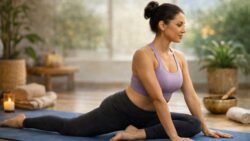
## Quick Breathing Exercise
Close your eyes and take five deep breaths. Inhale through your nose for four counts and exhale through your mouth for six counts. This reduces stress and refocuses your mind.
## Making It a Habit
Set a reminder on your phone to do these stretches every two hours. The entire routine takes less than five minutes. Consistency matters more than duration when preventing stiffness. Your body will thank you for these small movement breaks throughout the day.
Move your shoulders in slow circles and raise your arms above your head while you sit in your chair. Turn your body gently from left to right & use the chair to help you balance. Put both feet completely flat on the ground & breathe in and out slowly three times. Notice how your chest gets bigger when you breathe. These small exercises help you sit up straighter and make your mind feel less tired.
Mindful breathing is a form of yoga. Taking a few slow breaths in and out helps calm your nervous system and makes it easier to concentrate when work gets stressful.
Standing yoga during everyday waiting moments
Waiting is part of daily life. Waiting for tea to boil, for a lift, or for a file to load. These pauses are perfect for simple yoga.
Stand up straight with your feet flat on the ground and let your shoulders drop down naturally. Tighten your thigh muscles a little bit and make your spine as long as possible. When you brush your hair or wash dishes try standing on just one foot to make your ankles stronger and help you balance better.
You can do calf raises or gentle squats during these moments without stopping your current activity. Slow neck stretches work well too since they fit naturally into what you are already doing.
Breathing techniques you can use anytime
Breath awareness is one of the most powerful parts of yoga, and it requires no movement at all. You can practice it anywhere.
Slow breathing through your nose, with longer exhales, signals your body to relax. Try inhaling for four counts and exhaling for six counts while sitting in traffic or standing in line. This supports emotional balance and reduces tension quickly.
A single mindful breath can change how you feel and boost your energy levels. When you take just one breath with complete focus it has the power to alter your emotional state and revitalize you. This simple act of breathing with awareness can transform your current mood and increase your vitality in an instant.
Gentle stretches before sleep
Evenings are often the only quiet part of the day, but they do not need to become another task. While sitting on your bed or couch, gently stretch your neck, twist your spine, and fold forward to relax your back.
Lying on your back, bring your knees to your chest and rock gently. This helps release the lower back and prepares your body for rest. Pair these movements with slow breathing to calm the mind before sleep.
How small yoga habits create long term change
Yoga stops feeling like a choice when it becomes part of everyday life. You can stretch while standing in line or take conscious breaths before you answer someone. Adjusting how you sit also helps build awareness as the day goes on. These small actions turn yoga into something natural rather than a separate activity you need to schedule. The practice blends into regular moments without requiring extra time or effort. Your body and mind stay connected through simple movements & breathing patterns that happen during normal tasks. This approach makes yoga accessible at any moment. You develop better posture and breathing habits without thinking about them constantly. The awareness grows quietly in the background of daily routines.
Daily stretching builds flexibility and eases body pain while helping you handle stress better. Most people sleep more soundly & think more clearly without adding extra time to their schedule. Tension headaches often decrease as your body becomes more relaxed through these simple movements.
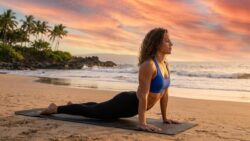
Yoga practiced this way supports real life instead of competing with it.