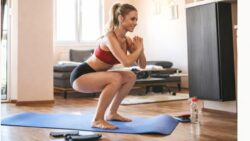
The spine plays a crucial role in maintaining overall health and well-being. A resilient and flexible spine can improve posture, prevent back pain, and contribute to better mobility and flexibility. Yoga, with its focus on stretching, strengthening, and aligning the body, is one of the most effective ways to enhance spinal health. In this article, we will explore some of the best yoga poses that promote spine resilience and flexibility.
1. Cat-Cow Pose (Marjaryasana-Bitilasana)
The Cat-Cow Pose is a fundamental yoga move that gently stretches and strengthens the spine. This pose helps increase flexibility in the back while relieving tension in the neck, shoulders, and spine.
- How to Perform It:
- Start on all fours, with your wrists aligned under your shoulders and knees under your hips.
- Inhale as you drop your belly toward the floor, lifting your chest and tailbone toward the sky (Cow Pose).
- Exhale as you round your spine, tucking your chin to your chest, and draw your navel toward your spine (Cat Pose).
- Repeat this flow for 10-15 breaths, alternating between Cat and Cow poses.
- Benefits: Increases spinal mobility, improves posture, relieves tension in the back and neck.
2. Downward-Facing Dog (Adho Mukha Svanasana)
The Downward-Facing Dog stands as one of the most recognized yoga poses in practice today. This position works to stretch & strengthen your entire body while placing particular emphasis on the spine shoulders and hamstrings. The pose promotes increased length and flexibility throughout your back muscles. This foundational movement appears in nearly every yoga session because of its comprehensive benefits. When you hold this position your body forms an inverted V-shape that allows gravity to assist in the stretching process. Your hands & feet remain planted firmly on the ground while your hips lift toward the ceiling. The pose delivers multiple advantages for practitioners at any skill level. It builds strength in your arms & legs while simultaneously loosening tight muscles in your posterior chain. Regular practice helps improve your posture and reduces tension that accumulates from sitting or standing for extended periods. Many people find this pose challenging at first because it requires both flexibility and strength. Your hamstrings might feel tight initially & your shoulders may need time to develop the necessary stability. With consistent practice these difficulties diminish as your body adapts to the demands of the position. The Downward-Facing Dog also serves as a transitional pose between other movements in a yoga sequence. It provides a moment to reset your breathing & prepare for the next position. This makes it valuable not just for its physical benefits but also for its role in creating flow throughout your practice.

- How to Perform It:
- Start on all fours with your hands spread wide and your knees under your hips.
- Tuck your toes, and as you inhale, lift your hips up and back, straightening your legs.
- Keep your arms and legs straight, pressing your heels toward the ground, and your head between your arms.
- Hold the position for 5-10 breaths, then return to the starting position.
- Benefits: Lengthens the spine, strengthens the shoulders, improves overall flexibility and posture.
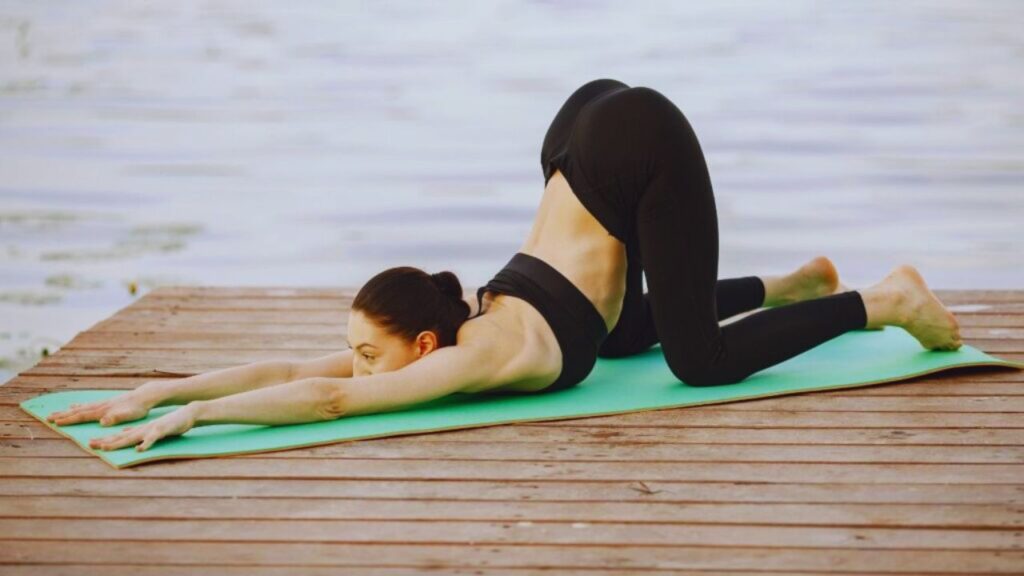
3. Child’s Pose (Balasana)
Child’s Pose is a restorative position that helps release tension in your spine & back muscles. This pose gently stretches your lower back and hip areas while allowing your body to relax deeply and improving the flexibility of your spine.
 Simple Morning Hydration Habits That Support Clearer Skin and Higher Energy Throughout the Day
- How to Perform It:
- Begin by kneeling on the mat with your big toes touching and knees spread wide.
- Sit back on your heels and stretch your arms out in front of you, bringing your forehead to the ground.
- Stay in this pose for 30 seconds to 1 minute, breathing deeply into the stretch.
- Benefits: Relieves tension in the spine, stretches the lower back and hips, promotes relaxation.
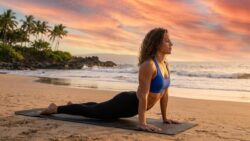
4. Cobra Pose (Bhujangasana)
The Cobra Pose is a gentle backbend that helps strengthen the lower back, stretch the chest, and improve spinal flexibility. This pose can be beneficial for improving posture and counteracting the effects of sitting for long periods.
- How to Perform It:
- Start by lying on your stomach with your legs extended straight behind you, and your hands placed under your shoulders.
- Press the tops of your feet into the floor and gently lift your chest, arching your back.
- Keep your elbows close to your body and lift your chest until your arms are fully extended, if possible.
- Hold for 15-30 seconds, then lower your body back down.
- Benefits: Strengthens the spine, stretches the chest, improves posture, and promotes spinal flexibility.
5. Seated Forward Bend (Paschimottanasana)
The Seated Forward Bend is a relaxing yoga pose that stretches your hamstrings and the muscles along your back and spine. This position helps improve spinal flexibility and reduces feelings of stress & physical tension in your body.
- How to Perform It:
- Sit on the floor with your legs straight in front of you, feet flexed.
- Inhale and lengthen your spine, then exhale as you hinge at the hips and reach forward toward your feet.
- Keep your back straight and avoid rounding the spine. Hold for 30 seconds to 1 minute, then gently come out of the pose.
- Benefits: Stretches the spine and hamstrings, promotes flexibility and calmness, improves posture.
6. Bridge Pose (Setu Bandhasana)
Bridge Pose is another effective yoga move for strengthening the back and improving flexibility. This pose targets the lower back, glutes, and hips, while also encouraging the elongation of the spine.
- How to Perform It:
- Lie on your back with your knees bent and feet flat on the floor, hip-width apart.
- Press your feet into the ground as you lift your hips toward the ceiling, squeezing your glutes as you lift.
- Clasp your hands under your back and stay in the pose for 30 seconds to 1 minute before lowering your hips back down.
- Benefits: Strengthens the spine and glutes, stretches the chest and spine, improves posture.
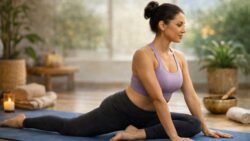
7. Spinal Twist (Supta Matsyendrasana)
The Spinal Twist works well for making your spine more flexible & easier to move. This pose stretches your back along with your shoulders and hips. It also helps keep your spine properly aligned.
- How to Perform It:
- Begin by lying on your back with your arms extended out to the sides.
- Bring your knees into your chest, and then slowly lower them to one side, keeping your shoulders on the floor.
- Hold the position for 30 seconds to 1 minute, then switch sides.
- Benefits: Increases spinal flexibility, relieves tension in the back, improves posture.