Have you ever thought about the hidden ways your posture influences your health? It goes beyond simply standing tall; your posture plays a crucial role in your spine health, breathing, confidence, digestion, and mobility as you age. With the rise of sedentary lifestyles and constant phone use, many people inadvertently overlook their posture. This neglect can result in various issues, such as back pain, neck stiffness, headaches, and fatigue. What if making a few simple adjustments to your posture could pave the way to a healthier and more energetic life?
Yoga is one of the most effective and natural ways to correct posture. It strengthens postural muscles, improves spinal alignment, and builds body awareness. Below are 7 simple yoga poses for better posture that are beginner-friendly and easy to practice at home.
Why Yoga Helps Improve Posture?
Yoga focuses on balance, flexibility, strength, and alignment. Many posture problems happen because some muscles become tight while others grow weak. Yoga works on both:
- Strengthens the core, back, shoulders, and hips
- Releases tension in the neck, chest, and lower back
- Improves body awareness
- Encourages proper spinal alignment
Top 7 Yoga Poses That Help You Stay Young And Ageless
Strengthens the core, back, shoulders, and hips, releases tension in the neck, chest, and lower back, and improves body awareness so you notice slouching. Practicing these poses regularly can gradually train your body to sit and stand correctly.
 Simple Morning Hydration Habits That Support Clearer Skin and Higher Energy Throughout the Day
1. Mountain Pose (Tadasana)
# Mountain Pose: A Simple Yet Powerful Tool for Better Posture
Mountain Pose appears to be a basic standing position at first glance. However this foundational yoga posture offers remarkable benefits for correcting and improving your overall posture. The pose requires you to stand with your feet together or slightly apart while distributing your weight evenly across both feet. Your arms hang naturally at your sides with palms facing forward or toward your thighs. The key is to align your body from head to toe by stacking your ears over your shoulders and your shoulders over your hips. What makes Mountain Pose so effective is its focus on body awareness. When you practice this pose regularly you begin to notice how you naturally hold your body throughout the day. Many people discover they habitually lean to one side or round their shoulders forward without realizing it. The pose strengthens the muscles that support proper alignment. Your core muscles engage to keep your spine neutral. Your leg muscles activate to maintain stability. Your shoulder blades draw down your back to prevent hunching. All of these small adjustments work together to train your body to maintain better posture automatically. Mountain Pose also teaches you about balance & grounding. By pressing firmly through all four corners of your feet you create a stable foundation. This connection to the ground travels upward through your body and helps you stand taller with less effort. Practicing this pose for just a few minutes each day can lead to noticeable improvements in how you carry yourself. You may find that you sit straighter at your desk or stand with more confidence. The benefits extend beyond physical alignment to include reduced back pain and increased energy levels. The beauty of Mountain Pose lies in its accessibility. You can practice it anywhere without special equipment or clothing. Whether you are new to yoga or have years of experience this pose offers valuable lessons about alignment & body mechanics that translate into everyday life.
# How it helps posture:
Wearing a posture corrector provides external support that gently pulls your shoulders back and aligns your spine into a more natural position. This physical reminder helps train your muscles to maintain proper alignment even when you’re not wearing the device. The brace works by restricting slouching movements and encouraging you to sit or stand straighter throughout the day. Over time your back muscles become stronger and more accustomed to holding the correct position on their own. Regular use can reduce the strain on your neck and upper back that comes from hunching over computers or phones. The corrector essentially retrains your body to recognize what good posture feels like so you can maintain it naturally. Many users notice decreased pain and tension in their shoulders and spine after consistent wear. The device serves as a constant physical cue that helps break bad postural habits you may have developed over years.
- Aligns head, shoulders, hips, and spine
- Improves standing posture awareness
- Strengthens thighs, core, and spine
# How to do it:
Here’s a straightforward guide to help you get started with the process. Follow these simple steps to achieve your goal effectively. First you need to gather all the necessary materials & tools before beginning. Make sure you have everything within reach so you won’t need to stop midway through the task. Check your workspace & ensure it’s clean & organized. Start by reading through all the instructions carefully from beginning to end. This helps you understand the complete process before you actually start working. Many people skip this step and end up making mistakes that could have been easily avoided. Next prepare your workspace by laying out all your materials in the order you’ll need them. This makes the workflow much smoother and saves time. Remove any items that might get in your way or cause distractions. Begin with the first step and work methodically through each stage. Don’t rush through any part of the process because taking your time ensures better results. If something seems unclear stop and review the instructions again before continuing. Pay attention to details as you work through each step. Small mistakes early on can create bigger problems later. Take breaks if you need them especially during longer tasks. Check your progress regularly to make sure everything is going according to plan. If you notice any issues address them right away rather than waiting until the end. This approach saves time and prevents frustration. Once you complete all the steps review your work carefully. Look for any areas that might need adjustment or improvement. Make any necessary corrections before considering the task finished. Finally clean up your workspace and store your materials properly. This keeps everything organized for next time & helps maintain your tools in good condition.
- Stand straight with feet together
- Distribute weight evenly on both feet
- Pull shoulders back and down
- Engage core and lengthen spine
- Breathe deeply for 30–60 seconds
2. Cat-Cow Pose (Marjaryasana–Bitilasana)
This gentle spinal movement is excellent for people with stiff backs.
How it helps posture:
- Improves spinal flexibility
- Relieves stiffness caused by poor sitting posture
- Encourages healthy spinal curves
# How to do it:
Here’s a straightforward guide to help you complete this task successfully. Start by gathering all the materials you need before beginning. This saves time and prevents interruptions during the process. Make sure everything is within easy reach & organized properly. Read through all the instructions first. Understanding the complete process helps you work more efficiently and avoid mistakes. Take note of any steps that might need extra attention or preparation. Begin with the first step and work methodically through each stage. Don’t rush or skip ahead even if something seems obvious. Each part builds on the previous one and missing details can cause problems later. Check your progress regularly as you go along. This helps catch any errors early when they’re easier to fix. Compare what you’ve done against the instructions to make sure you’re on track. Take breaks if the task is lengthy or complex. Stepping away briefly helps maintain focus & prevents fatigue from affecting your work quality. Return with fresh eyes to continue. Ask for help if you get stuck on any part. There’s no shame in seeking guidance when something isn’t clear. Getting clarification early prevents wasted effort going in the wrong direction. Review everything once you finish. Look over the completed work to ensure all steps were followed correctly. Make any necessary adjustments before considering the task done. Clean up your workspace and put away materials properly. This keeps things organized for next time and shows respect for shared spaces and tools. Practice makes improvement. The more times you complete similar tasks the faster & better you’ll become at them. Each attempt builds your skills and confidence.
- Come onto hands and knees
- Inhale, lift chest and arch back (Cow)
- Exhale, round spine and tuck chin (Cat)
- Repeat slowly for 8–10 rounds
3. Downward Facing Dog (Adho Mukha Svanasana)
This full-body stretch supports spinal length and shoulder alignment.
How it helps posture:
- Strengthens shoulders, arms, and back
- Stretches spine and hamstrings
- Reduces rounded shoulders
How to do it:
- Start on hands and knees
- Lift hips up and back
- Keep spine long, heels pressing toward the floor
- Hold for 30–45 seconds
4. Cobra Pose (Bhujangasana)
Cobra Pose is excellent for people who slouch or hunch forward.
How it helps posture:
- Strengthens lower and upper back
- Opens chest and shoulders
- Counters rounded-back posture
How to do it:
- Lie on stomach with hands under shoulders
- Inhale and lift chest gently
- Keep elbows slightly bent
- Hold for 20–30 seconds
5. Child’s Pose (Balasana)
Child’s Pose relaxes the spine and releases tension.
How it helps posture:
- Gently stretches spine and hips
- Relaxes neck and shoulders
- Reduces spinal compression
How to do it:
- Kneel and sit back on heels
- Fold forward with arms extended
- Rest forehead on mat
- Breathe deeply for 1 minute
6. Bridge Pose (Setu Bandhasana)
Bridge Pose strengthens the posterior chain, which supports posture.
How it helps posture:
- Strengthens glutes, lower back, and core
- Opens chest and shoulders
- Improves spinal stability
How to do it:
- Lie on back with knees bent
- Lift hips upward
- Press feet firmly into the floor
- Hold for 20–40 seconds
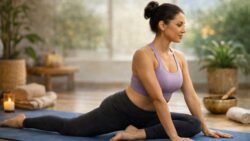
7. Seated Twist (Ardha Matsyendrasana – Easy Version)
Twists help make your spine more flexible & properly positioned.
How it helps posture:
- Improves spinal rotation
- Reduces stiffness from poor sitting habits
- Encourages upright sitting posture
How to do it:
- Sit tall with legs extended
- Bend one knee and twist gently
- Keep spine straight while twisting
- Hold 20–30 seconds each side
How Often Should You Practice These Poses?
Daily practice: Best results
Minimum: 4–5 times per week
Duration: 15–25 minutes
Consistency matters more than intensity. Slow and mindful practice brings long-term posture improvement.
Poor posture develops slowly, and fixing it also takes time. Practicing these 7 simple yoga poses for better posture can strengthen weak muscles, release tight areas, and train your body to stay aligned naturally.
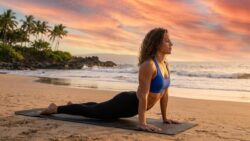
Yoga changes more than just your appearance. It transforms how your body feels & operates in your daily life. When you practice consistently and stay mindful of your movements good posture stops being something you have to think about. It simply becomes the natural way you hold yourself throughout the day. Regular yoga sessions train your muscles to support your spine properly. Your core gets stronger and your back muscles develop the endurance they need. Over time your body remembers these alignment patterns even when you are not on the mat. You start sitting straighter at your desk without forcing it. You stand taller while waiting in line without conscious effort. The physical benefits extend beyond just looking more confident. Your breathing improves when your chest is open and your spine is aligned. Your internal organs function better when they are not compressed by slouching. Even your energy levels increase because your body uses less effort to maintain proper alignment. This transformation happens gradually through consistent practice. Each yoga session reinforces healthy movement patterns. Your body learns what correct alignment feels like & begins to prefer it. What once required constant attention eventually becomes automatic. Good posture shifts from being a goal you work toward to being your default state.