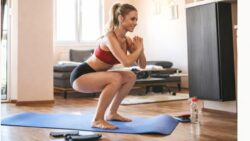
Daily yoga allows beginners to understand their bodies better while building strength in a safe way. The practice does not stress the joints like intense exercise programs do. Yoga focuses on controlled movements that require attention & awareness. This approach lowers the chance of getting hurt and helps people feel more capable as they continue. When you practice yoga every day your body starts to work better in many ways. Your posture becomes straighter & your digestive system functions more smoothly. Blood flows through your body more effectively & you breathe in a healthier pattern. Yoga also clears your mind & helps you handle stress better. These benefits matter for your health as a whole. People who are new to yoga usually find that they sleep more soundly & feel less stiff after practicing for just a few weeks.
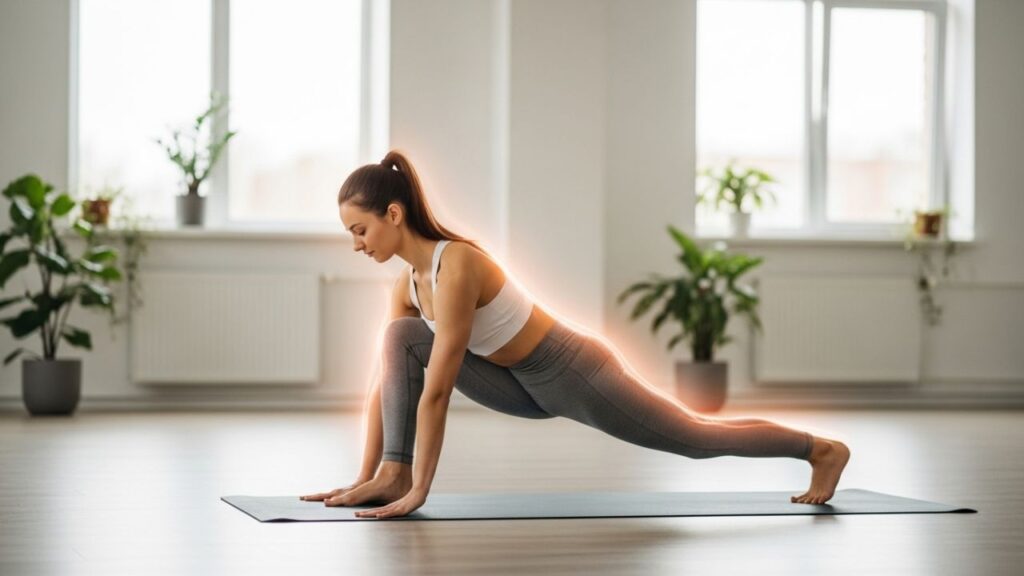
Why Is Daily Yoga Good for Beginners?
If you are just starting out with yoga aim for sessions between 15 and 25 minutes. The purpose is to keep your body moving and comfortable rather than pushing it to complete exhaustion. Practicing for a short time every day will give you better results than doing longer sessions only once or twice each week. Morning practice can help energize your body for the day ahead. Evening sessions work well for releasing stress that builds up during your daily activities. Pick a time that works naturally with your schedule so that yoga becomes a regular habit instead of something you struggle to fit in.
How Long Should a Beginner Practice Yoga Each Day?
Gentle Movement Routine This routine focuses on gentle movements that stretch & strengthen the body while improving balance and breathing. Move slowly & rest whenever needed.
Mountain Pose
 Simple Morning Hydration Habits That Support Clearer Skin and Higher Energy Throughout the Day
Mountain Pose is a basic standing yoga posture that helps improve posture, balance, and body awareness. Stand upright with your feet hip-width apart and let your arms rest naturally at your sides. Focus on taking slow, deep breaths while feeling your weight evenly grounded through both feet. This pose encourages stability, mindfulness, and a sense of calm presence.
Neck and Shoulder Rolls
Gently roll your shoulders forward and backward to release built-up tension. Slowly tilt your head from side to side and make soft circular movements with your neck. This gentle exercise is especially helpful for beginners and for those who experience stress or stiffness in the neck and shoulders.
Cat and Cow Pose
Begin on your hands and knees in a tabletop position. Inhale as you drop your belly, lift your chest, and tilt your tailbone upward for Cow Pose. Exhale as you round your spine, tuck your chin, and draw your belly in for Cat Pose. This flowing movement warms up the spine and improves flexibility.
Downward Facing Dog
Lift your hips upward and back to create an inverted V shape with your body. Allow your knees to bend slightly if your hamstrings feel tight. This pose stretches the legs, spine, and shoulders while helping improve blood circulation. Hold the posture for several deep, steady breaths.
Low Lunge
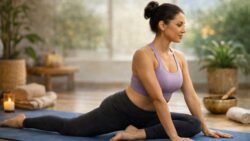
Step one foot forward between your hands and gently lower the back knee to the mat. Keep your chest lifted and rest your hands on your front thigh for support. This pose helps open the hips, stretch the thighs, and build strength in the legs. Repeat on the opposite side after a few breaths.
Seated Forward Bend
Sit upright with your legs extended straight in front of you. Slowly hinge forward from your hips and reach toward your legs or feet without forcing the movement. This calming posture stretches the hamstrings and lower back while soothing the nervous system.
Easy Seated Twist
Sit comfortably with your spine tall. Place one hand behind you for support and the other hand on your knee. Gently rotate your upper body to one side, keeping the movement slow and controlled. Switch sides after a few breaths. Twists aid digestion and enhance spinal mobility.
Child’s Pose
End your practice by kneeling down and folding your upper body forward. Let your arms relax and rest your forehead on the mat. Take slow, deep breaths and allow your body to fully relax. This pose helps release tension and allows the body to absorb the benefits of the yoga session.
Easy Daily Yoga Routine for Beginners
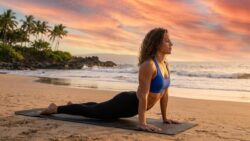
Consistency happens when you keep your routine simple and fun. Pick a quiet spot at home and grab a yoga mat or any soft surface. Wearing clothes that feel comfortable will make everything easier. Try not to compare yourself to other people. Getting better at yoga is different for everyone & takes time. Even when your schedule gets packed doing a few easy stretches is all you need to keep the habit going.
When Will Beginners Start Seeing Results?
Many beginners notice small changes within one to two weeks of starting yoga. You may feel less stiff & more relaxed in your body. Your flexibility might improve slightly as well. Over time regular yoga practice can improve your strength and balance. Many people also report having more energy throughout the day. The most important result from yoga is not physical though. It is building a healthy relationship with movement and your body. Yoga teaches you patience with yourself as you learn new poses. It also develops self-awareness as you pay attention to how your body feels. These mental benefits support your long-term wellness just as much as the physical improvements do.