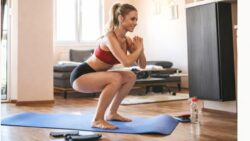
Regular exercise plays a key role in reducing fall risk, one of the leading causes of injury among older adults. Yet, only four per cent of older Canadian women manage to complete 30 minutes of physical activity each day.
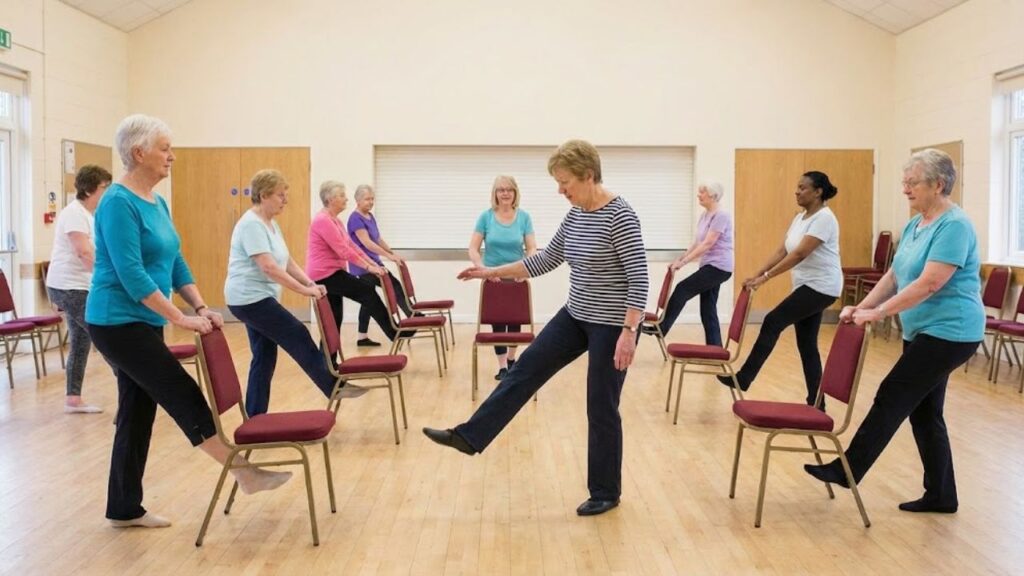
As a PhD candidate in health and exercise science at Concordia University, my focus is on creating enjoyable and accessible balance-training programs through online dance classes.
Dance serves as a powerful “exercise in disguise,” making movement feel engaging rather than routine.
Research consistently shows that dance promotes social connection, boosts mood, and supports cognitive health. At the same time, it improves mobility, endurance, and walking ability.
 Simple Morning Hydration Habits That Support Clearer Skin and Higher Energy Throughout the Day
Dance is especially effective for balance training because learning precise steps enhances proprioception — our awareness of body position and movement in space — which helps maintain or improve postural stability.
How Age Affects Postural Stability
Postural stability refers to the ability to remain upright and control the body’s position. This process depends on both sensory and motor systems.
Vision helps identify obstacles, the vestibulocochlear system in the inner ear supports orientation and balance, and the somatosensory system processes touch, temperature, pain, and body position to detect surfaces underfoot.
Once these signals reach the brain, they are processed and translated into motor responses that guide the musculoskeletal system.
With aging, postural stability naturally declines as sensory systems change. This is often measured by observing how much a person sways while standing still. Greater sway indicates reduced stability and a higher risk of falls.
Although studies show that in-person dance classes improve balance and reduce fall risk, access remains limited. Many older women face challenges such as transportation issues, caregiving responsibilities, and inaccessible facilities. Specialized dance instructors are also more common in large urban centers.
Online dance classes help overcome these barriers, offering broader access and greater flexibility.
Turning Living Rooms into Dance Studios
In collaboration with Andreas Bergdahl, PhD, and Mary Roberts, PhD, our study published in the International Journal of Exercise Science found that online dance classes significantly improve postural stability, dynamic balance, and calf strength in older women.
We recruited women aged 65 and older from Montréal to participate in 75-minute ballet–modern inspired classes held twice weekly over Zoom for 12 weeks.
Each session began with a 15-minute warm-up, followed by:
- Pliés (controlled knee bending)
- Tendus (balancing on one leg while extending the other)
- Balancé sequences (travelling steps set to a waltz rhythm)
- José Limón and Martha Graham sequences emphasizing fall recovery and rounded spinal movements
- Cool-down stretches performed while seated
These movements focus on weight transfer, single-leg balance, off-centre positioning, and engaging both leg and core muscles. A dedicated Zoom helper supported participants with technical assistance and ensured safety during sessions.
Measuring Progress Over Time
Participants completed in-person assessments of leg strength, dynamic balance, and postural stability before the program, midway through, and after completion.
Within six weeks, participants showed reduced side-to-side sway while standing and notable improvements in dynamic balance. By the end of the program, they demonstrated stronger calf muscles, measured by the number of heel raises completed in 30 seconds.
These gains support everyday movements that involve shifting weight, such as walking, stepping off curbs, or household tasks like sweeping.
The Lasting Value of Online Programs
Even beyond pandemic restrictions, online dance classes remain vital for individuals who are often underserved.
For those in remote areas, caregivers with limited time away from home, or older adults hesitant to navigate icy winter sidewalks, online programs provide safe, accessible opportunities for movement and social interaction.
Our ongoing research is exploring how different online dance styles, combined with blood flow restriction training, can further benefit older adults with diverse mobility needs.
We are also working to expand access to these programs. So far, our research has reached older women in Canada, Mexico, Colombia, and Spain, supporting continued independence and active living.
As in-person activities resume, it remains important to recognize the lasting benefits of online access. Bringing the dance studio home can still foster connection, creativity, and improved balance.