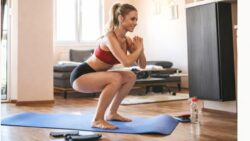
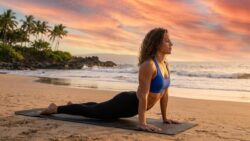
Rest days should not mean sitting still all day. They give your body time to heal while keeping you gently active. A calm yoga session on these days loosens tight muscles & boosts blood flow without wearing you out. It also settles your nervous system. This type of practice feels slow and supportive. It works well when your muscles are sore but you still want some light movement. Gentle yoga uses soft stretches & relaxed breathing along with mindful focus. It helps your joints and muscles recover. It can even support digestion while keeping stress under control. You do not need to be flexible or experienced. You just need a mat and some quiet space. You also need to be willing to take things slowly.
Why Gentle Yoga Works Perfectly on Recovery Days
Rest days play an important role in helping muscles repair themselves and keeping your mind balanced. When you exercise hard your muscle fibers develop tiny tears. These fibers grow back stronger during the recovery period. Gentle yoga helps this healing process by improving circulation without putting extra stress on your body. It also eases the muscle soreness that typically shows up the day after a workout. Mental recovery is another advantage of rest days. Gentle yoga stimulates the parasympathetic nervous system which encourages your body to relax. This can lead to better sleep and lower anxiety levels. Most people find they feel more energized & clear-headed after a relaxed yoga session than they do after sitting still all day.
Simple Preparation for a Gentle Yoga Practice
Preparation takes little effort. Pick a calm moment when you have enough time and will not feel hurried. You can practice in the morning or evening based on when you feel most energetic. Put on loose clothes that let you move freely. Have a blanket or cushion close by if you need additional support. Decide on a purpose before starting. This might be something basic like paying attention to how your body feels or focusing on deep breaths. Gentle yoga does not require you to challenge yourself. The practice centers on feeling comfortable and taking care of yourself.
Gentle Yoga Poses That Support the Whole Body
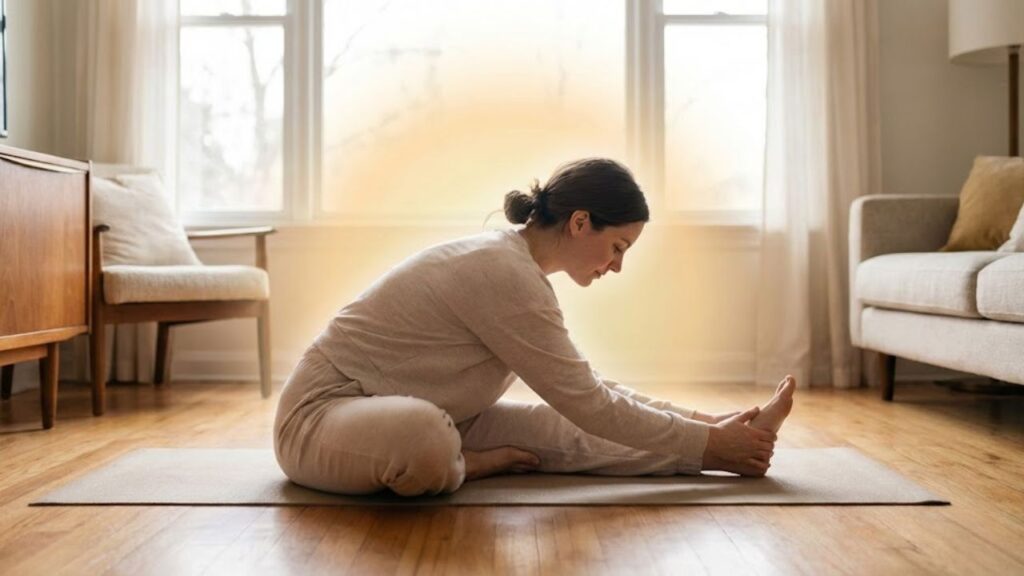
Begin with Child’s Pose to ease tension in your back and hips. Get on your knees and sit back so your bottom rests on your heels. Reach your arms out in front of you and lower your forehead to the mat. Take slow breaths as this position gently lengthens your spine and helps quiet your thoughts. Transition to Cat Cow Pose to prepare your spine for movement. Position yourself on your hands & knees. Breathe in while lifting your chest and tailbone upward. Breathe out while curving your back & bringing your chin toward your chest. Continue moving between these two positions at a steady pace for multiple breaths to loosen tight areas. The next position is Seated Forward Fold. Sit down with both legs straight in front of you and lean forward from your hips. Maintain length through your spine & do not push yourself too far into the stretch. This movement reduces tightness in your hamstrings and lower back.
 Simple Morning Hydration Habits That Support Clearer Skin and Higher Energy Throughout the Day
Lie on your back for Supine Twist. Draw one knee up and let it fall across to the other side of your body while your opposite arm stays extended. Hold this for several breaths before switching to the other side. Twisting movements provide a gentle massage to your internal organs & decrease tension along your spine. Complete your practice with Legs Up the Wall Pose. Lie flat on your back and raise your legs so they rest vertically against a wall or the seat of a chair. Rest your arms wherever feels comfortable at your sides. This position encourages better blood flow & reduces tiredness in your legs while promoting deep relaxation throughout your entire body. Close your routine with several minutes in Savasana. Lie completely flat with your eyes closed and breathe without effort. This final resting period gives your body time to integrate all the benefits from your practice.
Breathing Techniques That Support Faster Recovery
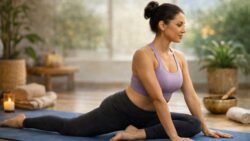
Breathing in Gentle Yoga Breathing plays an essential role in gentle yoga practice. When you take slow & deep breaths your body receives a message that it can relax. A simple technique involves breathing in through your nose while counting to four and then breathing out while counting to six. The longer outward breath helps your body let go of tension that has accumulated. You do not need to make your breathing perfect. Just paying attention to each breath as it comes in and goes out can help quiet your thoughts & lower your stress levels while making it easier to concentrate.
How Frequently to Practice Gentle Yoga on Rest Days
Gentle yoga works well on every rest day. Some people add short sessions each day. The movements are soft and controlled so they do not disrupt muscle recovery. They actually help the process. Pay attention to how your body feels. If you feel tired then keep the session short. Even ten minutes provides benefits. Doing it regularly matters more than how long you practice.