Joint pain has a quiet way of creeping into daily life. Sometimes it starts as morning stiffness, sometimes as discomfort after sitting too long, and other times it feels like your body just is not moving the way it used to. Gentle yoga can be a supportive and realistic way to ease joint pain while helping you reconnect with how your body actually feels, not how you think it should feel. Unlike intense workouts, gentle yoga focuses on slow movements, mindful breathing, and awareness, making it accessible for beginners and people dealing with chronic discomfort.
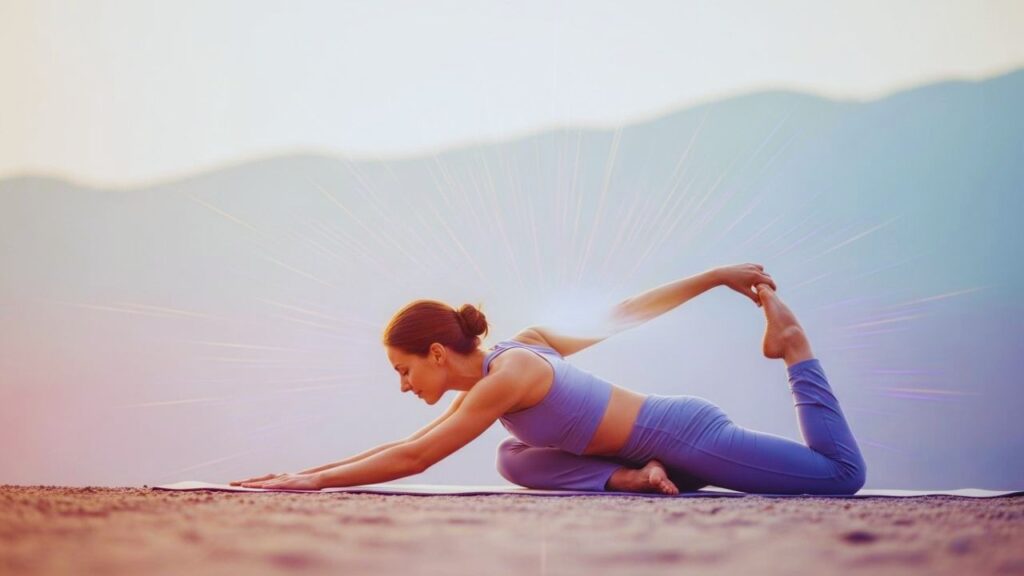
Why Gentle Yoga Works Well for Joint Pain
Gentle yoga encourages movement without forcing the joints beyond their comfort range. Many people with joint pain instinctively stop moving, which can lead to stiffness and weaker surrounding muscles. Slow yoga movements help lubricate the joints through safe, controlled motion. This improves circulation to areas that often feel tight, like the knees, hips, shoulders, and spine. Over time, this regular, low impact movement can help reduce stiffness and improve how joints function during everyday activities.
Another important factor is how yoga calms your nervous system. When you experience pain your body often stays tense without you noticing it. Gentle yoga combined with controlled breathing sends safety signals to your nervous system. This process can lower your sensitivity to pain and reduce the protective muscle tension that builds up around sore joints. The connection between your mind and body plays a significant role here. Your nervous system interprets constant pain as a threat and responds by keeping muscles contracted as a defense mechanism. This creates a cycle where tension increases discomfort and discomfort increases tension. Yoga breaks this pattern by activating your parasympathetic nervous system through slow movements and deep breathing exercises. When you practice gentle yoga poses you give your body permission to relax. The breathing techniques teach your system that you are safe and not in immediate danger. Your muscles begin to release their protective grip around painful areas. This relaxation response helps decrease inflammation & allows better blood flow to reach damaged tissues. Over time your pain threshold may improve as your nervous system learns to respond differently to discomfort signals.
Building Body Awareness Through Slow Movement
Body awareness goes beyond just being flexible. It means paying attention to small sensations & recognizing differences between your left & right sides while knowing when to slow down. Gentle yoga helps you move with focus instead of rushing through movements. When you lift your arm slowly and notice where tension builds up you can make adjustments before any pain starts. This kind of awareness usually extends into your everyday activities & helps you sit and stand and walk and rest in ways that are easier on your joints.
 Simple Morning Hydration Habits That Support Clearer Skin and Higher Energy Throughout the Day
With time, you may start to notice patterns, such as which movements feel supportive in the morning or which positions relieve pressure after a long day. This self knowledge is one of the most valuable long term benefits of gentle yoga.
Key Principles to Follow When Practicing
When using yoga for joint pain, comfort comes first. Movements should be slow and controlled, never forced. If something causes sharp pain, it is a signal to stop or modify. Using props like cushions, folded blankets, or a chair can make poses more supportive. Breathing should remain steady and relaxed, as holding the breath often increases tension in the joints.
Regular practice beats intense effort every single time. Working on your flexibility for ten to fifteen minutes on a consistent basis delivers better results than forcing yourself through one long session every now and then. These brief practice periods add up over weeks and months to create real improvements in how easily you move and how far your joints can travel.
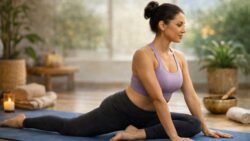
Gentle Yoga Poses That Support Joint Health
Simple movements often make the biggest difference. When you roll your neck slowly it releases tension in your upper spine & shoulders. If you sit and bend forward with your knees bent you can stretch your back without putting pressure on your hips or knees. Moving your hips in gentle circles warms up your pelvis and makes walking and standing easier. Rotating your wrists and ankles helps a lot if you type frequently or spend many hours on your feet.
Restorative poses, such as lying on the back with knees supported, allow the joints to fully relax. These poses may look simple, but they are powerful for reducing inflammation related stress and improving body awareness.
Making Yoga a Sustainable Habit
Gentle yoga works best when it fits naturally into your routine. Practicing at the same time each day, such as after waking up or before bedtime, can help your body recognize it as a safe, calming ritual. Some days the practice may feel fluid, while other days it may feel stiff. Both are normal. The goal is not perfect movement but honest movement.
# Understanding Your Body Leads to Better Pain Management

When you pay attention to what your body tells you, something important happens. You start to develop a real connection with yourself. This connection creates trust between your mind and your physical self. As this trust develops over time, you may notice changes in how you experience joint pain. The discomfort that once felt overwhelming often becomes more manageable. You learn which movements cause problems & which ones feel comfortable. This knowledge helps you make better choices throughout your day. Your daily activities begin to feel different too. Tasks that used to require significant effort start to feel easier. Getting out of bed in the morning becomes less of a struggle. Walking up stairs doesn’t seem as challenging. Even simple actions like reaching for items on a shelf feel more natural. This improvement happens because you understand your body better. You know when to push yourself and when to rest. You recognize the difference between good pain & warning signs. This awareness helps you move through your day with more confidence & less fear of triggering discomfort. The relationship between listening to your body and reducing pain is straightforward. The more you tune in to physical signals, the better you become at responding appropriately. This creates a positive cycle where trust leads to better management, which leads to easier movement which builds even more trust.