On a dreary Tuesday morning while many office workers daydream about retirement 68-year-old Michael pulls on a fluorescent vest. He clocks into his local supermarket and jokes with the younger crew on the early shift before stacking shopping carts in the drizzle. His pension arrives on the 8th but his rent is due on the 5th. The numbers simply do not work out.
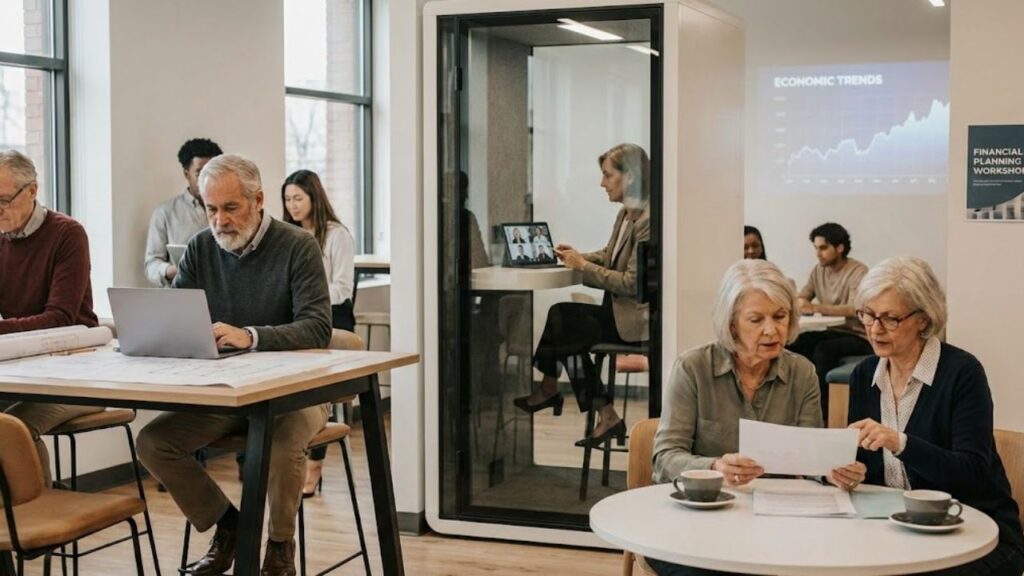
The people around him are changing. He notices more gray-haired workers behind the café counter and more elderly hands operating barcode scanners. He sees more older women driving delivery vans. These people are not working just for entertainment or to fill their time. Something more significant is happening beneath the surface.
Also read 12 Yoga Poses to Release Body Stiffness and Improve Flexibility and Daily Comfort
The Quiet Surge of “Cumulants” Over 65
If you walk through any city during quiet hours you will notice something different. Older people wearing company caps are delivering packages. Retired workers are helping customers at hardware stores and teaching younger people about tools. These are the people who collect a pension but continue to work. This used to be unusual but now it has become normal for many seniors who need the money and not just something to do. They are changing what retirement means.
Also read Simple Morning Hydration Routine That Enhances Skin Glow and Sustains Energy Throughout the Day
People over 65 are working much more than they used to in France the UK, the US and Canada. The number of older workers has grown a lot in the past ten years. Some of these countries have seen the rate almost double during this time. This trend shows that seniors are staying in their jobs longer or returning to work after retirement. The increase has been steady across all four nations. More elderly people now choose to remain active in the workforce instead of stopping work completely when they reach retirement age.
Behind each statistic is a personal story. A widow discovers her partner’s pension has vanished without warning. A former manager battles to pay off a mortgage long after retirement age. A freelance baby boomer with no solid pension now drives for a ride-share service in the evenings. These situations are not isolated cases but part of a larger pattern.
The reason comes from both economic realities and individual decisions. People are living longer but their retirement funds have not grown at the same rate. Expenses for housing groceries, utilities and medical care have all risen sharply. This makes it difficult for older adults today to experience the comfortable retirement they expected when they were younger.
Public systems were built during an era when people had shorter lifespans & spent decades in the same job. That era is gone now. These days many older adults depend on multiple income sources including pension payments alongside part-time work or small rental properties combined with occasional sales or seasonal employment mixed with survivor benefits. This method of piecing together various income streams has rapidly become standard practice. The traditional model assumed workers would retire with a single reliable pension after a lifetime of steady employment. Modern reality looks completely different. Older people now assemble their financial support from whatever sources they can access. Some might receive a modest pension while also working weekends at a retail store. Others rent out a spare room while doing freelance consulting work. Still others take seasonal positions during busy periods and supplement that with government assistance programs. This shift reflects broader changes in how the economy functions. Companies rarely offer the generous pension plans that previous generations enjoyed. Job stability has decreased across most industries. People change careers multiple times throughout their working years rather than staying with one employer. Healthcare costs have risen dramatically while wages have stagnated for many workers. The result is that retirement planning has become far more complex and uncertain. Older adults must constantly evaluate their options and adjust their strategies. They need to understand multiple benefit programs and how different income sources interact with each other. What seems like a straightforward decision about when to claim benefits can have cascading effects on other income streams. This new reality creates significant challenges for people trying to maintain financial security in their later years. The patchwork approach requires more effort and knowledge than the old system ever did.
How Seniors Are Redefining Work in Retirement
For many retirees today the solution is not going back to their old job but finding a simpler and more flexible way to work. This realization typically starts with a wake-up call when they first see their pension statement and understand it is not enough. The second wake-up call happens when an unexpected expense appears such as a dental bill or a broken boiler or helping out an adult child.
Many people look for jobs that match their health and energy while letting them keep their dignity. They want short shifts at nearby companies or work they can do from home. Some take on paid mentoring positions. These jobs might seem small to others but they provide crucial support & stability for those who need them.
There is also a generational difference between baby boomers and their parents. Many boomers grew up with parents who practiced frugal living and managed to leave behind modest inheritances or some savings when they passed away. However many boomers themselves do not have that same financial safety net available to them. The previous generation often lived through economic hardship like the Great Depression which shaped their spending habits & made them more conservative with money. They tended to save consistently throughout their lives & avoided unnecessary debt. This approach allowed them to accumulate at least some wealth to pass down to their children. In contrast baby boomers have faced different economic circumstances throughout their lives. They experienced periods of inflation and recession that affected their ability to save. Many also adopted different spending patterns compared to their parents and took on more debt for things like education & housing. Rising costs of living and healthcare have further strained their finances as they approach or enter retirement. This shift means that many boomers cannot provide the same financial cushion for their own children that they received from their parents. The tradition of passing down even modest inheritances may be ending with this generation as more boomers find themselves with limited savings and assets.
You will find retired teachers who tutor online from their kitchen tables and former drivers who do school transport in the mornings. There are also nurses working part-time in home care. A 71-year-old person I spoke to in a pharmacy explained it well when they said their pension covers the basics but their three shifts a week pay for their dignity. That extra €300 or £300 or $300 a month means they avoid overdraft fees and do not have to skip heating or feel silent panic on the 27th of the month.
Also read 11 Balance Exercises for Seniors to Strengthen Stability and Reduce Fall Risk
The Social and Psychological Drivers Behind This Trend
This change in how people live goes beyond just needing money. It also involves how people think & what society expects. The group of people who worked hard to build their careers and buy houses while raising kids during difficult times does not want to disappear from view. They want to stay active & feel that they still matter & belong.
At the same time this shift helps the economy. Service sectors want reliable and punctual employees who will stay longer than six months. Technology has created remote micro-jobs that were not available 15 years ago. The connection between these needs and older workers makes sense. The problem starts when work stops being a choice and becomes a requirement. Choosing to work at 70 feels completely different from being forced to work at 70.
Balancing Health, Finances, and Self-Respect
# Getting Your Finances Under Control as a Senior For seniors dealing with money problems the first step is straightforward: write down the actual numbers. This means listing income along with fixed expenses & variable costs plus any debts and upcoming one-time expenses. Skip the mental calculations that most people rely on and create a real written record that shows exactly how much money is needed. This simple exercise often reveals the true size of the financial gap. Many seniors discover they have been underestimating their spending or overestimating their available funds. Having everything on paper makes it easier to see where money goes each month & identify areas where adjustments might help. The process does not need to be complicated. A basic notebook or simple spreadsheet works fine. The goal is clarity rather than perfection. Once the numbers are visible it becomes much easier to make informed decisions about budgeting and spending priorities.
From there many older adults set a realistic target by saying they need an extra 400 dollars a month instead of 1000 dollars. This shift in thinking opens the door to smaller and more manageable jobs instead of chasing after full-time roles. It also helps in negotiations with employers because they know exactly what they can accept without draining their energy.
Many seniors make the mistake of accepting the first job they find because they feel worried about money. They end up working night shifts as security guards where they sit in uncomfortable chairs without heating. Some take warehouse jobs that require lifting heavy boxes. Others spend hours traveling to work which uses up much of what they earn. These jobs often create more problems than they solve. The physical demands can be too much for older bodies. The schedules disrupt sleep patterns and make it hard to maintain a healthy routine. Transportation costs and time spent commuting reduce the actual benefit of the paycheck. Seniors deserve better options that match their experience and physical capabilities. Taking time to find the right position makes more sense than rushing into something unsuitable. There are employers who value mature workers & offer reasonable conditions. The key is knowing where to look and being patient enough to find opportunities that truly fit.
An unspoken warning passes quietly among them: not every job is worth your back or your sleep. Seniors who do better tend to ask the right questions before starting. Will I be standing all day? Can I sit sometimes? How far is the bus stop? Are shifts regular? Is training provided? These details often get overlooked but they make the difference between keeping a job for three months or three years.
Rosa is a 72-year-old office cleaner who explains her situation clearly. People assume she works because she wants something to do with her time. The reality is different. Her rent increased but her pension stayed the same. She works because she needs the money. If she had a choice she would prefer to deal with boredom instead of working.
Practical Tips for Seniors Seeking Work
- List your skills: Don’t just focus on your old job title; expand your options.
- Understand your finances: Check if combining pension and salary affects your taxes or benefits.
- Check with your doctor: Understand what types of work your body can handle.
- Communicate openly with family: Make sure they understand your reasons for working.
- Test a small contract first: See if a few hours a week work for you before committing to more.
Rethinking Retirement: A New Life Phase
The growth of older workers staying in the workforce changes how we think about retirement. Some people see this time as a fresh start where they continue working with new tools and technology. Other people find this period difficult as they balance the demands of their job with declining health. Every hour they spend working can feel like both a positive opportunity & a heavy weight to carry. This trend reflects broader changes in society. People are living longer and many need to keep earning money past the traditional retirement age. The physical and mental challenges of aging make work harder for some individuals. Meanwhile others feel energized by staying active and engaged in their careers. The experience varies greatly from person to person depending on their circumstances and health conditions.
Also read 4 Evening Yoga Poses to Release Tight Hips and Reduce Lower-Body Tension
This change challenges common assumptions about older people. The grandparent who gives treats to the children might actually be working regular hours at a grocery store. The neighbor who enjoys keeping busy could be quietly concerned about paying monthly housing costs. Many older workers find that these jobs give them fresh confidence and friendship. They would feel directionless without this work.
Key Takeaways
- Identify your financial gap: Understand the exact difference between your pension and expenses to make informed decisions about work.
- Choose the right job: Look for light, flexible roles that fit your health and lifestyle to avoid burnout.
- Communicate openly: Talk to family, friends, and employers about your work motivations and limitations to build support and understanding.
🪙 Latest News Join Group