Yoga gets known mostly for making people flexible and calm but it actually works great for building strength and lasting power too. When you add certain poses to your regular practice you can make different muscles stronger and boost your ability to keep going during physical activities. These poses help create a solid base for your body no matter if you have done yoga for years or just started trying it out. The physical benefits go beyond just stretching. Your muscles have to work hard to hold many yoga positions which builds real strength over time. This happens because you use your own body weight as resistance during the poses. Your heart rate goes up during longer holds and flowing sequences which improves your cardiovascular endurance as well. Starting with foundational poses gives you the building blocks you need. Plank pose makes your core muscles work intensely while also engaging your arms and legs. Holding this position for longer periods trains your body to maintain effort without giving up. Warrior poses strengthen your legs and open your hips while teaching you to stay steady and focused even when your muscles start to burn. Chair pose might look simple but it challenges your thighs & core significantly. The longer you hold it the more you understand what real endurance feels like. Boat pose targets your abdominal muscles and hip flexors while demanding balance and concentration. These poses push you to stay present and breathe through discomfort which builds mental toughness alongside physical capability. Downward facing dog works your entire body at once. Your arms and shoulders support your weight while your legs stay active and your core keeps you stable. This pose appears in many yoga sequences so building strength here pays off throughout your practice. Bridge pose strengthens your back muscles and glutes while opening your chest and improving spinal flexibility. The key to building endurance through yoga comes from consistent practice & gradually increasing how long you hold each pose. Your body adapts to the demands you place on it so patience matters more than pushing too hard too fast. Breathing properly during challenging poses helps deliver oxygen to working muscles & keeps your mind calm when things get tough.
1. Plank Pose (Phalakasana)
Plank pose is one of the best yoga poses for building core strength. It engages the entire body, from the arms to the legs, and challenges your endurance. By holding this position for extended periods, you’ll build muscular endurance and stability in the core, shoulders, and wrists.
How to do it: Start in a push-up position with your wrists directly under your shoulders and your body in a straight line. Engage your core and hold the position for as long as possible.
2. Downward-Facing Dog (Adho Mukha Svanasana)
This foundational pose strengthens the arms, shoulders, and legs while stretching the back and hamstrings. The position helps build endurance in the lower body and core.
 Simple Morning Hydration Habits That Support Clearer Skin and Higher Energy Throughout the Day
How to do it: From all fours, lift your hips high, straightening your arms and legs. Keep your hands shoulder-width apart and your feet hip-width apart. Press your heels toward the floor and hold the pose, keeping your core engaged.
3. Warrior II (Virabhadrasana II)
Warrior II is a strong standing pose that develops power in your legs, hips & core muscles while boosting your endurance. The pose increases your stamina and balance when you maintain the position and activate your leg muscles.
How to do it: Start in a standing position and step one foot back, bending the front knee to a 90-degree angle. Extend your arms parallel to the floor and gaze over your front hand. Keep your core engaged and hold for several breaths.
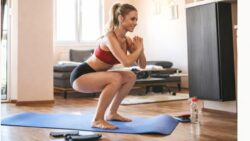
4. Chair Pose (Utkatasana)
Chair pose is excellent for strengthening the legs, especially the quadriceps, and enhancing endurance. This pose challenges your lower body while helping to build stamina and improve focus.
# Chair Pose Instructions
Start by standing with both feet placed next to each other. Bend at the knees and push your hips backward and downward like you are about to sit on a chair that isn’t there. Lift both arms straight up above your head while making sure your chest stays up and open. Stay in this position and pay attention to breathing in and out steadily.
5. Boat Pose (Navasana)
Boat pose is ideal for strengthening the core, including the abdominals, lower back, and hip flexors. This pose helps develop endurance in the core and challenges your balance and stability.
How to do it: Sit on the floor with your knees bent and feet flat. Lean back slightly and lift your feet off the floor, balancing on your sit bones. Extend your legs and reach your arms parallel to the floor. Hold the position, engaging your core.
6. Chaturanga Dandasana (Four-Limbed Staff Pose)
# Chaturanga: Building Upper Body & Core Strength
Chaturanga is a basic yoga pose that strengthens your arms, shoulders and core muscles. You will often see this pose in vinyasa flow sequences. Practicing it regularly helps develop both muscle strength and endurance. This pose works multiple muscle groups at once. Your arms and shoulders support your body weight while your core stays engaged to maintain proper alignment. The consistent practice of chaturanga creates a solid foundation for more advanced yoga poses. Many yoga practitioners use chaturanga as a transition between other poses. It connects different movements in a flowing sequence. When you perform it correctly, you build the physical strength needed for a sustainable yoga practice. The benefits of chaturanga extend beyond just building muscle. It teaches body awareness & control. You learn to distribute your weight evenly and maintain stability through challenging positions. These skills transfer to other areas of your yoga practice and daily activities. Starting with proper form matters more than holding the pose for a long time. Focus on keeping your body in a straight line from head to heels. Your elbows should stay close to your ribs rather than flaring out to the sides. This alignment protects your shoulders and maximizes the strengthening benefits. If you find the full pose too challenging at first, you can modify it. Lowering your knees to the ground reduces the amount of body weight you need to support. This modification still works the same muscle groups while you build up strength. Over time you can progress to the full expression of the pose.
How to do it: From plank position, lower your body toward the floor by bending your elbows to a 90-degree angle. Keep your body in a straight line, with elbows directly under your shoulders. Press into the floor and engage your core to maintain stability.
7. Bridge Pose (Setu Bandhasana)
Bridge pose helps to strengthen the glutes, legs, and back. It is also an excellent pose for increasing endurance in the lower body and improving flexibility in the spine and hips.
How to do it: Lie on your back with your knees bent and feet flat on the floor, hip-width apart. Press your feet into the floor and lift your hips, engaging your glutes and core. Hold the position, squeezing your inner thighs together.
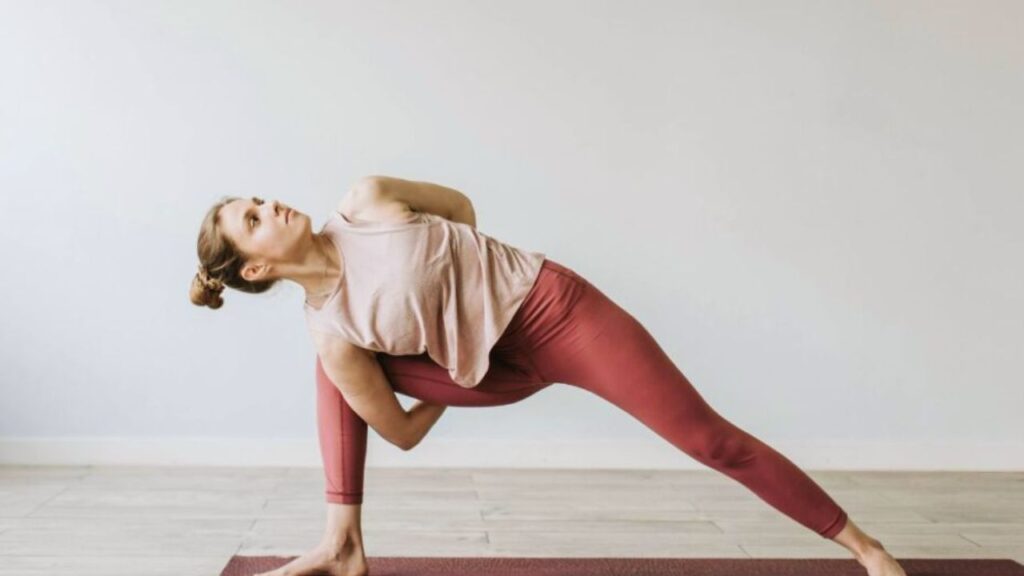
8. Crescent Lunge (Anjaneyasana)
Crescent lunge works well for building strength in your legs and hips while also engaging your core muscles. This pose develops stamina throughout your lower body and creates openness in both your hips & chest. These combined benefits make it effective for improving your overall endurance levels. The position requires you to hold your body weight in a way that challenges multiple muscle groups at once. Your front leg supports most of your weight while your back leg extends behind you to create stability. This arrangement forces your muscles to work together and builds functional strength that translates to everyday movements. Regular practice of crescent lunge helps develop the kind of endurance that supports longer workout sessions and more demanding physical activities. The pose teaches your body to maintain proper alignment under stress while building the muscular foundation needed for sustained effort.
Start by standing upright and take one foot backward to create a deep lunge position. Make sure your front knee forms a 90-degree angle. Lift both arms above your head while keeping your chest open and expanded. Stay in this position and concentrate on activating your leg muscles and core area.
9. Side Plank (Vasisthasana)
Side plank works your core muscles along with your obliques & arms to build both strength and endurance. The exercise activates several muscle groups simultaneously while helping you develop better stability and balance. This position requires you to support your body weight on one arm & the side of one foot. Your core muscles must work hard to keep your body in a straight line from head to feet. The obliques on the side of your torso engage to prevent your hips from sagging toward the ground. Your shoulder and arm muscles also get a solid workout as they stabilize your upper body. The supporting arm bears most of your weight and must remain strong throughout the hold. Meanwhile your legs stay active to maintain proper alignment and prevent your body from rotating. Regular practice of side plank leads to improved posture and reduced back pain. The exercise strengthens the muscles that support your spine and helps correct muscular imbalances. You can modify the difficulty by dropping your bottom knee to the ground for an easier version or by lifting your top leg for an added challenge.
How to do it: From plank pose, shift your weight onto one hand and rotate your body to face sideways. Stack your feet on top of each other, extending your top arm toward the ceiling. Engage your core and hold the position.
10. Warrior III (Virabhadrasana III)
Warrior III is a challenging pose that builds strength in your legs core & shoulders. It also helps you develop better balance & stamina. The pose requires you to stay steady and concentrate as you maintain the position for extended amounts of time.
Start by standing upright and transfer your weight to one foot. Lift your opposite leg behind you while reaching your arms forward. Keep your body aligned in a straight line from your head down to your toes. Maintain this position while activating your core muscles & the muscles in your supporting leg.