Most people think yoga progress comes from mastering difficult poses, holding planks longer, or sweating through advanced flows. In reality, the biggest transformation often comes from a far quieter habit that rarely gets attention. It is so simple that many practitioners skip it entirely, yet it shapes how the body adapts, how the mind calms down, and how consistent your practice becomes over time.
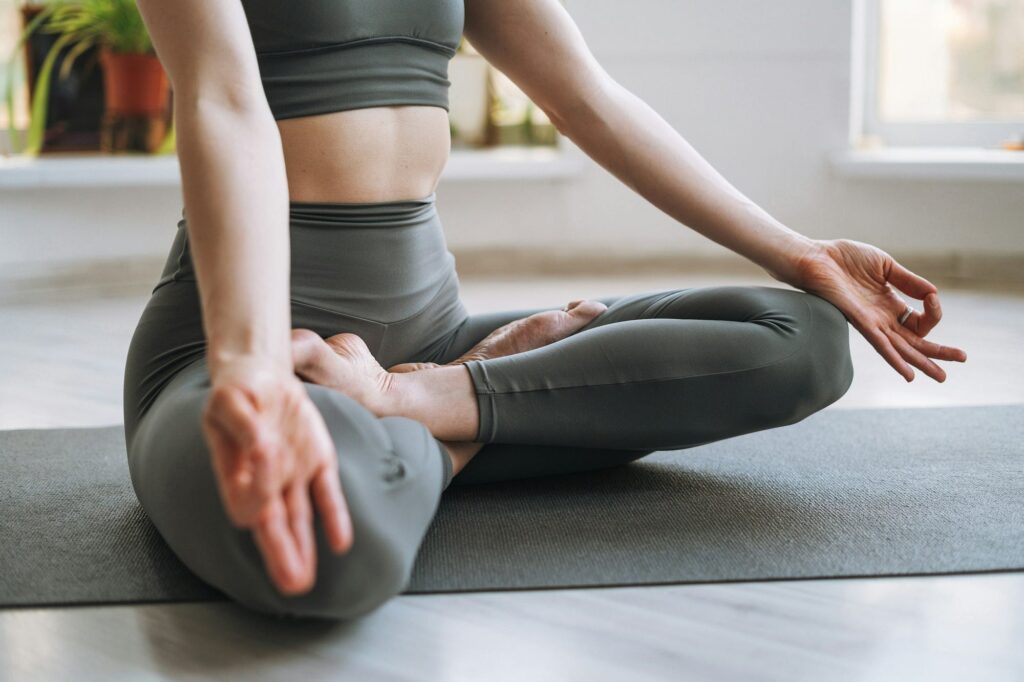
That underrated habit is intentional stillness at the end of every yoga session. Not rushing off the mat. Not treating the final rest as optional. Simply staying, breathing, and letting the practice sink in.
Why this small habit is often ignored
In busy routines, yoga is squeezed between meetings, workouts, or family responsibilities. The moment the final pose ends, the mind is already racing to the next task. Many people skip rest because it feels unproductive. Some believe flexibility or strength only comes from movement, not stillness.

Ironically, this mindset limits progress. Yoga is not only about what you do, but how the body processes what you have done. Without that pause, the nervous system never fully absorbs the benefits of the practice.
 Simple Morning Hydration Habits That Support Clearer Skin and Higher Energy Throughout the Day
What intentional stillness actually does to your body
When you lie still and breathe calmly after a session your nervous system moves away from stress mode. Muscles that were working finally let go. Your breath gets deeper without any effort. Your heart rate becomes steady. This rest period allows your body to process what just happened during exercise. Blood flow redirects from your limbs back toward your core organs. Your body temperature starts to return to normal levels. Sweat begins to dry on your skin. The stillness gives your mind a chance to register the work you completed. Your thoughts slow down naturally. Mental tension fades as physical tension releases. This quiet moment helps your body transition from activity back to a resting state.
This is when the body integrates alignment improvements, releases residual tension, and balances effort with recovery. Over time, people who honor this habit notice fewer injuries, better joint comfort, and improved flexibility without forcing stretches.
Stillness helps you develop a more refined sense of awareness. You start to recognize where your body holds tension and how your breath flows through you. You become more conscious of how your posture actually feels from the inside rather than just how it looks from the outside. This heightened awareness does not stay limited to your practice sessions. It naturally extends into your everyday activities & changes how you move through the world. Your posture improves whether you are standing in line at the grocery store or walking down the street. You notice how you sit in your office chair and make adjustments without even thinking about it. The body awareness you gain from staying still becomes a constant companion that guides you toward better movement patterns throughout your entire day.
The mental shift that changes everything
Mentally, intentional stillness is powerful. During movement, the brain stays engaged with instructions and balance. In stillness, mental noise gradually fades. This trains your mind to rest without distraction.
People who stick with this habit often report better focus, improved sleep, and reduced anxiety. It becomes easier to pause before reacting in stressful situations. Over time, yoga stops being just an exercise routine and becomes a grounding practice that supports emotional balance.
How to practice this habit the right way
You do not need long meditation sessions or perfect silence. Five to ten minutes is enough. Lie down comfortably or sit upright if preferred. Keep the eyes closed. Let the breath move naturally.

The key is non effort. Do not analyze the practice or judge how it went. Just observe sensations and allow the body to settle. If thoughts wander, gently return attention to breathing or the feeling of the floor beneath you.
Staying consistent is more important than how long you practice. If you do this after each session regardless of length you will gradually develop a stronger connection between your mind and body.
Why consistency beats intensity in yoga progress
# The Foundation Most Yoga Students Overlook
Many yoga students believe that mastering difficult poses will speed up their progress. They push themselves into advanced postures and challenging sequences. But this approach often backfires in unexpected ways. The problem is not the challenging poses themselves. The real issue is what happens when students skip a critical practice that keeps the nervous system balanced. Without this essential element the body remains in a state of heightened stress. The nervous system never gets a chance to reset & recover. This constant overstimulation creates a cascade of problems. Students hit frustrating plateaus where their practice stops improving. Flexibility gains slow down or stop completely. Strength development stalls. Even more concerning is that injuries start appearing seemingly out of nowhere. The body needs time to integrate what it learns during active practice. When the nervous system stays overstimulated it cannot properly process the physical and mental demands of yoga. Muscles stay tense when they should be relaxed. The mind remains alert when it needs to rest. Recovery becomes incomplete. Students who ignore this fundamental habit often find themselves stuck. They work harder & practice more frequently but see diminishing returns. The excitement of early progress fades into frustration. What once felt energizing now leaves them drained. The solution is not to avoid challenging poses entirely. Advanced postures have their place in a well-rounded practice. But they must be balanced with practices that calm and reset the nervous system. Without this balance even the most dedicated students will struggle to reach their full potential in yoga.
People who focus on staying still tend to make better progress over time. They develop stronger muscles with improved control. They become more flexible without pushing too hard or getting hurt. They continue to enjoy yoga instead of feeling worn out by it.
This habit teaches patience, discipline, and self-trust. Qualities that quietly support long-term growth both on and off the mat.
Making this habit part of daily life
The beauty of intentional stillness is that it expands beyond yoga sessions. You may start taking short pauses during the day. Standing still before meals. Breathing before responding to stressful messages. Pausing between tasks instead of rushing non-stop.

Yoga transforms into something that shapes your entire way of living instead of just being an activity you do for one hour. This is the point where genuine transformation takes place.